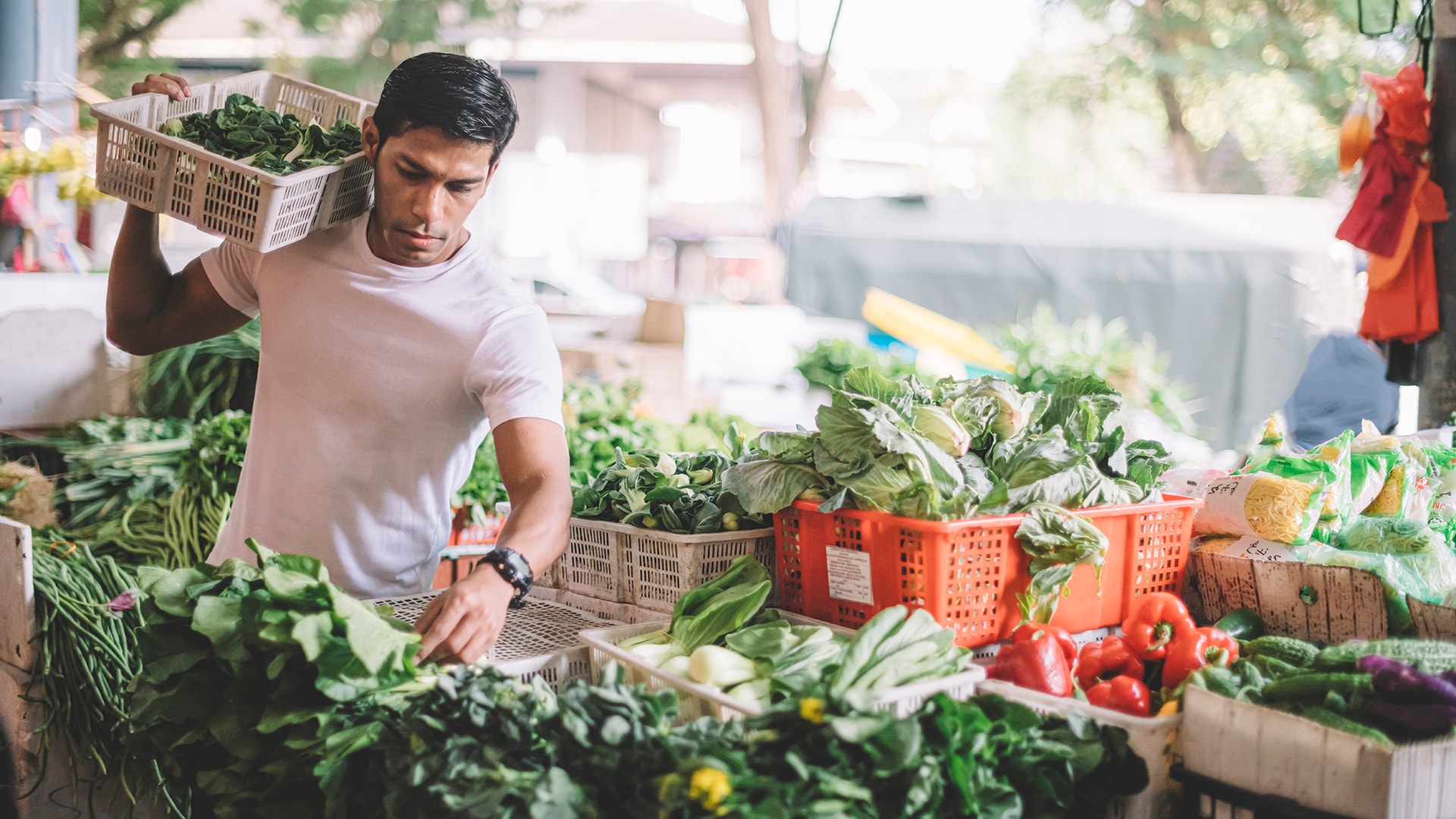


Roadside stands pop up all over the world and come in all shapes and sizes. Some are permanent fixtures of a community, while others operate seasonally and vary with highway traffic. Every year, gardeners, farmers, and a variety of third-party sellers set up stands in their driveways and alongside busy roads to sell fresh produce and a variety of other homegrown or homespun goods.
These roadside enterprises may not become billion-dollar business empires, but they do provide insights into important marketing and operational truths that entrepreneurs of any size and ambition can learn from.
1. Limited, In-Season Product Can Drive Demand
Fresh fruit can sell quickly because of a limited window for ripeness and goodness that customers don’t want to miss. While frozen or shipped-in versions may be available at grocery stores year-round, they can often lack the authentic flavor and texture of freshly picked fruit at its peak. It’s this natural perishability that can drive customers to buy promptly rather than artificial deadlines (“Hurry, while supplies last!” or “Limited stock!”). Customers may also prefer the personally inspected, high-quality food available at roadside stands over mass-produced options available at large chains.
By prioritizing a personalized emphasis on quality and consistency, businesses can offer customers confidence and satisfaction much like they can get from a local roadside stand. Businesses can also study the seasonal nature of their products or services to better predict and market around demand shifts. Authentic marketing messages that emphasize the genuine, nature-bound reasons behind shifts in stock – or seasonal pricing strategies – may be more likely to resonate with customers than shallow marketing gimmicks.
2. Customers Can Crave Convenience
The inherent nature of the roadside stand is that customers can drive, walk, or cycle by on a regular basis. It can usually be more convenient for customers to stop by a stand while commuting to work or running errands than to plan a trip to the grocery store, warehouse club, or farmer’s market. And the more convenient the location, the higher the price a roadside stand may be able to command. Travelers and tourists may even be inclined to pay more for the convenience of a highway stand compared with customers who live locally.
Businesses can emulate the community feel and convenience of the roadside stand by designing physical spaces, websites, or online platforms that capture comparable ease and appeal. This might include setting up at a strategic location or creating an intuitive user interface that can pull customers in without adding another physical or mental chore to their to-do lists. Even businesses located away from convenient areas can use billboards or other forms of detailed directions to draw in customers.
By prioritizing a personalized emphasis on quality and consistency, businesses can offer customers confidence and satisfaction much like they can get from a local roadside stand.
3. Customers Can Buy Directly From the Original Source
Many buyers like to know where their goods come from, whether it’s an artist, a local farm, a craftsperson, or someone else connected to their work. The benefits of local sourcing can be especially true for customers who prefer in-person contact with people while they shop rather than online shopping carts and impersonal contact forms.
Businesses can express pride in their staff and the work they do by spotlighting creators and individuals who play a role in getting goods to customers. Take, for example, a beauty product company that places a sticker on its products to give a face to the employee who packaged it, or a pizza franchise that lets the customer know the name of the person who’s making their pie in real time. Such acts can help bridge a personal connection between the maker and the customer.
4. Intriguing Backstories Can Sell
Customers may often want to hear stories of how products came to life, be it due to generations of family farming expertise or a paradigmatic career-shift inspired by a global event. Individuals may more readily connect with businesses if they understand how and why the offering came to be, as well as what techniques were used to develop and produce it.
Such details can elevate the perception of quality, foster trust, and influence future buying decisions. A good story can also help increase word-of-mouth referrals, so businesses looking to get more customers shouldn’t be afraid to highlight what makes their stories and products unique.
5. Lower Overhead Can Mean Higher Profits
Typically, the roadside stand can have much lower overhead than a traditional retail environment. For example, the sales floor and inventory space can be minimal, and the stand likely doesn’t have to look after dozens, if not hundreds, of employees. These low-overhead businesses may therefore be able to offer prime offerings at prime prices – and often in prime locations. And because customers crave conveniently accessible high-quality goods, they can be bound to keep bringing in business. Whatever cash is saved on overhead can then go toward profits.
Any business can take inspiration from low overhead operations. If boosting profits is the goal, the business should consider looking at how effectively it’s balancing overhead costs with profit potential. The goal is to find areas to cut costs without eroding profit margins.
6. Attention to Inventory Management Can Benefit Profitability
Though roadside markets can often be seen as simple outlets to profit from surplus yield, many strategically manage their stock levels, the diversity of their offerings, and the sales channels they use. A central part of an inventory management strategy may not be just how much to stock, but where and how to sell it. Direct sales to consumers may warrant higher prices, yet there’s a tangible risk of unsold produce by the day’s end. In contrast, selling in bulk to larger outlets, like grocery chains, can ensure consistent sales volume, even if it means slightly lower prices. Some sellers may adopt both approaches. Their primary aim might be to sell as much as possible directly to consumers, with backup plans to collaborate with larger outlets to guarantee the excess stock finds a buyer, even at a lower price. This can help ensure maximum profit per item while minimizing waste from unsold inventory.
Any businesses can derive value from this approach. By actively integrating inventory management with selling and pricing strategies, companies can maximize their profit margins and ensure steady sales.
7. Profits Can Be More Important Than Market Share
Shoppers are increasingly purchasing locally grown food. In fact, 44% of consumers say they are buying more locally grown produce than in the year prior, according to The Packer’s “Fresh Trends 2023” report, which surveyed 1,017 members of a U.S. consumer panel. Roadside-stand operators – focused on selling what’s locally available rather than attempting to dominate a constantly changing market – tap into that demand and draw in customers. With less concern for market share, they can focus on making their small initiatives as profitable and financially stable as possible, all the while meeting local demands for high-quality, direct-to-consumer goods.
A company with a niche customer base might benefit from a similar strategy – one that focuses on high-return projects, streamlined operations, and diligent expense management, rather than investing the time and money necessary it takes to become an industry leader.
The Bottom Line
Roadside stands may seem small and quaint when pitted against billion-dollar companies, but customers keep frequenting them for a reason. If a business can mirror what makes the roadside stand so attractive – quality, convenience, a compelling backstory, and a personal touch – then customers may be more likely to stop and buy.
A version of this article was originally published on July 15, 2011.
Photo: Getty Images