



Practical Considerations for a Financial Reset
This article provides general information only and does not take into account your objectives, financial situation or needs. It is not intended to be financial advice.
Changes in life circumstances can prompt people to take a fresh look at how they manage money. A financial reset is a way to pause, review current habits and consider whether they still reflect your priorities today. Rather than prescribing specific actions, this article outlines common questions people ask when reassessing their finances and highlights a range of general approaches, tools and features that may be worth exploring depending on individual circumstances.
Why a financial reset is often considered
For some people, reviewing their finances can be a helpful way to better understand where their money is going and whether existing habits still feel appropriate. A financial reset may provide an opportunity to reflect on spending patterns, savings approaches and use of credit, without assuming that any particular change is necessary or suitable for everyone. People may choose to undertake a review in order to:
- Gain clearer visibility over income and expenses
- Better understand how prepared they are for unexpected costs
- Feel more organised or confident about day‑to‑day money management
- Consider whether current spending aligns with personal values or priorities
Common financial challenges
When reassessing finances, some people notice recurring themes or pressure points. These may include:
- Budget imbalances: Without regularly reviewing income and expenses, smaller costs can accumulate over time
- Subscription services: Paid subscriptions can be easy to overlook. Periodically reviewing which services are still being used may help improve awareness of ongoing costs
- Larger purchases: Items such as electronics, vehicles or home‑related expenses often benefit from advance planning so that payment options and timing are clearly understood
Practical ways to revisit finances
A financial reset does not need to involve major or immediate changes. The following sections outline general ideas and examples that some people consider when reviewing their finances.
Budgeting and expense awareness
1. Reviewing income and expenses
Some people start by listing their regular sources of income and typical expenses over a month. Grouping expenses into categories such as essential costs and discretionary spending can help create a clearer picture of where money is going.
2. Considering financial goals
Setting financial goals is a personal decision and can vary widely. Some people find it useful to think in terms of short or long‑term priorities, such as building a buffer, planning for travel or preparing for future expenses, while others may prefer to focus simply on maintaining flexibility.
3. Exploring budgeting approaches
There is no single budgeting method that works for everyone. Depending on income patterns and preferences, some people explore approaches that allocate funds across spending, saving or repayments in different proportions. Others may prefer more informal tracking tools.
4. Using automation where helpful
Automated payments, such as direct debits or scheduled transfers, are one option to manage regular bills or savings contributions. Whether automation is suitable depends on cash‑flow preferences and personal comfort with set‑and‑forget arrangements.
5. Reviewing arrangements over time
Financial needs and circumstances can change. Periodically reviewing budgets or payment arrangements can help ensure they continue to reflect current priorities.
Emergency funds
Unexpected expenses can arise for many reasons, such as medical costs or home repairs. Some people choose to set aside funds specifically for these situations. Approaches to emergency funds vary and may include:
- Deciding on an amount that feels appropriate based on personal circumstances
- Keeping funds separate from everyday spending for visibility
- Making regular or ad‑hoc contributions where possible
- Reassessing the balance after funds are used
There is no standard approach, and individuals may choose different strategies depending on their needs.
Tools and payment features to help stay on track
A range of digital tools and card features exist that can be used to monitor spending and manage payments.
Monitoring and planning tools
For those who prefer digital oversight, account tools can provide visibility over transactions and balances. American Express Card Members can view spending activity via the Amex App or online account with handy features such as:
- Spend tracking: Viewing transactions and categories in near real time
- Account alerts: Optional notifications for transactions or upcoming payment dates
Payment flexibility with American Express Cards
American Express Credit and Charge Cards include features that offer flexible payment solutions to help manage payments if needed.
Plan It® Instalments¹ is a feature of Amex Credit Cards that allows Card Members to pay off eligible transactions or a portion of their balance in equal monthly instalments, with no interest but with a fixed monthly fee. Please note that there is a minimum plan amount of $100. Find out more.
When applying for a Credit Card, you can indicate a preferred Credit Card Limit (approval for your Credit Limit is subject to American Express approval criteria). You should ensure that you nominate a limit that’s in line with your current financial circumstances and spending needs.You can also apply to increase or decrease your credit limit2 at any time by calling the number on the back of your Amex Card.
Having an American Express Credit Card allows you to repay the amount due over time3. When your statement arrives, you’ll have a choice of repayment options:
- You can pay off the entire closing balance on, or before, the statement due date, in which case you’ll avoid paying interest.
- Or you can choose to pay your closing balance over time by paying at least the minimum monthly payment amount. This option will mean you will be paying interest.
Example only: a 30‑day financial reset framework
Some people find it useful to think about a financial reset in stages. The outline below is provided as a general example only and is not intended as a recommendation.
Week 1
Review
Track spending over a short period and note recurring payments.
Week 2
Organise
Outline priorities and explore a budgeting approach that suits your needs.
Week 3
Simplify
Consider setting up or adjusting automatic payments and transfers.
Week 4
Reflect
Review what you’ve learned and make adjustments if needed. Consider setting a reminder to revisit on a regular basis.
Choose the Card that best suits you
Travel

Premium

Qantas Frequent Flyer

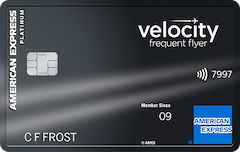
Velocity Frequent Flyer
Rewards

1. Plan It® Instalments.
You can create an Instalment Plan as long as your account is in good standing. We may withdraw this offer, prevent you from creating any new Instalment Plans or cancel any of your existing Instalment Plan(s) at any time if your Card Account is overdue, or if you do not comply with your Card Conditions.
The minimum Plan amount is AUD$100. We may also limit the amount that can be transferred to an Instalment Plan.
You will be charged a Monthly Plan Fee for each Instalment Plan created (unless a promotional plan is available). This fee will be charged each month your Instalment Plan is active and will be disclosed to you at the time of creating your Instalment Plan.
Each Instalment Plan will begin from the date it is successfully created, as communicated to you in your Online Account.
Payment of your first Monthly Instalment will be due in your next payment cycle.
You may request to cancel your Instalment Plan(s) at any time through your Online Account or the Amex App. Any billed Monthly Plan Fees will remain payable, but no further Monthly Plan Fees will be billed after cancellation is effective. As cancellation can take 24-48 hours to process (“Processing Time”), you may be charged a further monthly plan fee after requesting cancellation if the Processing Time occurs on your payment date.
View the full Plan It® Instalment Terms and Conditions here.
2. Credit Limit
All American Express Credit Cards have a maximum Credit limit. Your highest limit will depend on your financial circumstances and the Credit Card you choose and will be subject to our approval criteria. You should ensure that you nominate a Credit Card limit that’s in line with your current financial circumstances. For more information see Credit Card Limits at americanexpress.com/au/credit-cards/about-credit-cards/limits/
3. Pay Over Time
When your statement arrives, you’ll have a choice of repayment options. By making higher repayments over a shorter term, you'll have more available credit to use when needed. You can pay off the entire closing balance on, or before, the statement due date, in which case you’ll avoid paying interest. Or, you can choose to pay your closing balance over time by paying at least the minimum monthly payment amount. This option will mean you will be paying interest. For more information see Credit Card Repayments at americanexpress.com/au/credit-cards/about-credit-cards/repayments