


What You Should Know About Foreign Transaction Fees
5 Min Read | Last updated: July 23, 2026

This article contains general information and is not intended to provide information that is specific to American Express products and services. Similar products and services offered by different companies will have different features and you should always read about product details before acquiring any financial product.
Foreign transaction fees are charges for making purchases in foreign currencies. Learn how to avoid these fees and tips for managing your travel expenses.
At-A-Glance
- Foreign transaction fees are extra charges on credit card purchases made in foreign currencies.
- Not all credit cards charge foreign transaction fees, so it’s important to know your card’s terms.
- You can avoid foreign transaction fees in a few ways, like using cash or choosing travel-friendly credit cards.
Few things can spoil your travels like a canceled flight, lost luggage, or a misplaced passport. But what about coming home to unexpected extra charges on your credit card bill? Sure, Credit Cards are a convenient way to pay for goods and services when you’re traveling abroad. But if your credit card has foreign transaction fees that you don’t know about, each purchase made in a foreign currency will come with an extra fee. Depending on how much you spent while you were away, these fees could potentially add hundreds of dollars to your monthly bill.
What is a Foreign Transaction Fee?
A foreign transaction fee (also known as an FX fee) is an extra charge on your credit card bill when you make a purchase in a foreign currency. You’ll also incur foreign transaction fees if the transaction is processed through a foreign bank.1 This is important to know because it means you don’t have to be in another country, or even pay in a foreign currency, to end up owing foreign transaction fees. For example, if you make an online purchase from a foreign retailer, you can be charged.
How Much Does a Foreign Transaction Fee Cost?
Credit cards with foreign transaction fees will often charge between 1% and 3% of the transaction.2 This means you could be charged an additional $3 for every $100 you spend in a foreign currency. Three dollars may not seem like a lot, but if you’re planning to spend a lot of time abroad or make a lot of online purchases from foreign merchants, fees can add up. And the added fees may not count towards rewards like points or cash-back bonuses.
Why It’s Important to Understand Foreign Transaction Fees
If you or someone you know will be traveling abroad or even plan to make online purchases from a foreign retailer, understanding foreign transaction fees can help prevent excess charges and save money.
First, determine whether your card provider charges foreign transaction fees. This information appears in your payment card’s terms and conditions. If you’ve already made purchases in a foreign currency and aren’t sure if your card charges foreign transaction fees, they’ll show up on your card statement as a fee separate from the initial purchase. If no fees show up, you may be in luck, as some cards won’t charge foreign transaction fees under any circumstances.

How Can You Avoid Foreign Transaction Fees
Here are a couple of ways that you can avoid foreign transaction fees:
- Make Purchases Within the USA
When making online purchases, check to see that the retailer or business is established in the U.S. Making purchases with companies outside of the U.S. could leave you on the hook for foreign transaction fees, so you’ll want to factor those into the cost.
- Consider a Card With No Foreign Transaction Fees
If you plan to make a lot of foreign purchases in the near future or are looking to travel overseas, it might be worth looking into opening a credit card with no foreign transaction fees.
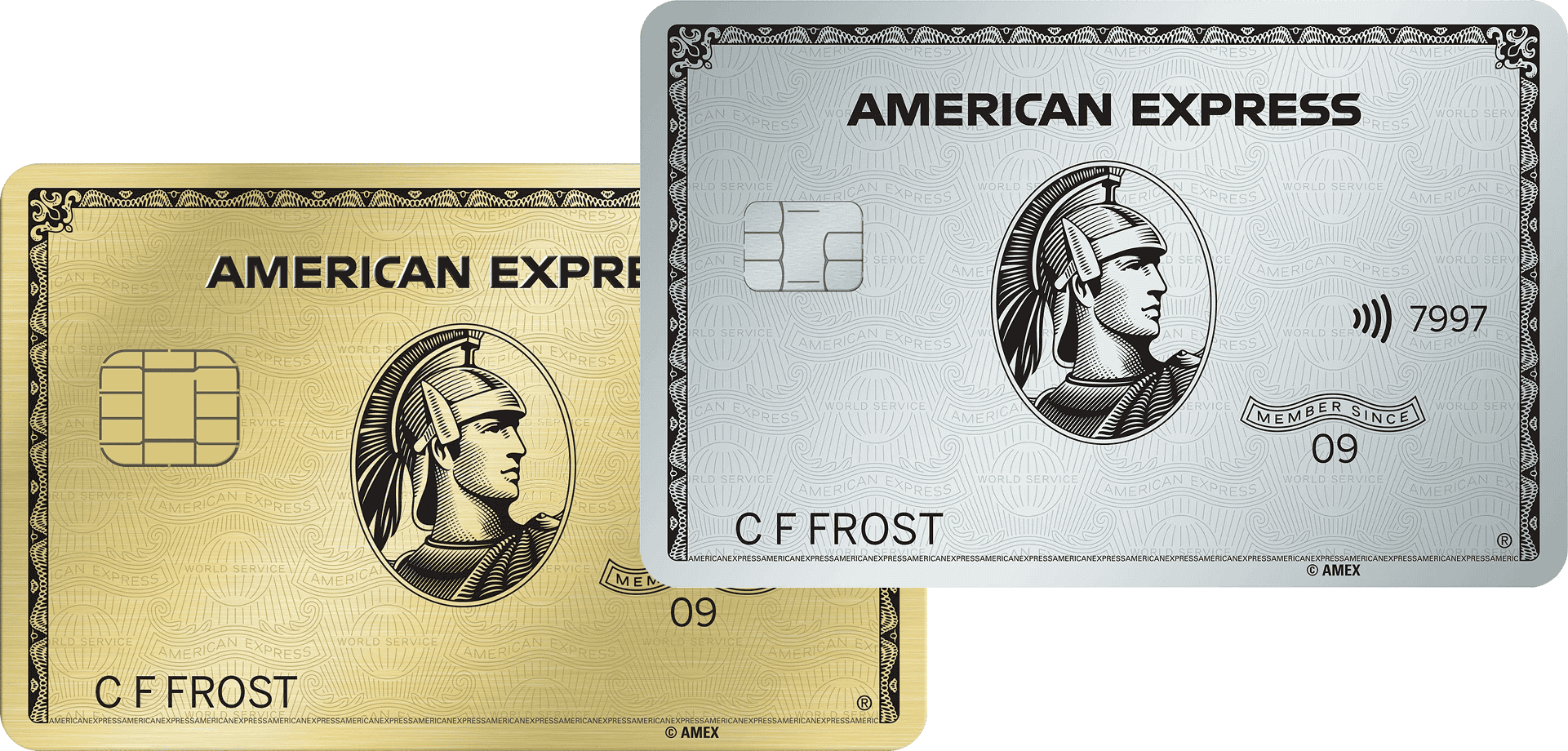
A number of American Express® Credit Cards have no foreign transaction fees. These include the Platinum Card®, The American Express® Gold Card, and Delta SkyMiles® Reserve American Express Card.
The Platinum Card offers a number of exciting travel benefits, and the chance to earn Membership Rewards® points.
- Consider an Alternate Form of Payment
You can avoid foreign transaction fees by using cash while you travel. You can make a currency exchange before traveling. Or, you could wait until you arrive at your destination. You could opt to use a currency exchange there or make withdrawals at local ATMs (automated teller machines). Consider estimating how much cash you’ll need for your trip and converting the currency at your home bank, because your financial institution may provide a more favorable exchange rate than a currency exchange kiosk.
What’s Dynamic Currency Conversion?
Some foreign vendors might offer a way for you to pay in your own currency with a process called “dynamic currency conversion,” or DCC.3
This happens when you are visiting another country and withdraw cash or make a purchase with a retailer. The retailer or ATM may ask you whether you would like to “continue with conversion,” “charge your account,” or “continue with withdrawal” in either the foreign currency or your home currency. In these cases, opting for the local currency is the best way to avoid DCC charges.
Learn more about whether you should pay in local or your home currency when traveling abroad.
Frequently Asked Questions
Check your credit card agreement. If your card charges a foreign transaction fee, it should be listed under “fees.”4
Foreign transaction fees apply when you purchase something in a foreign currency or when a transaction is processed through a foreign bank. These fees can also apply when you shop online from a foreign retailer, even if you’re not traveling.
If your card charges foreign transaction fees, they may not be refunded when you seek a refund for an item purchased from a foreign merchant.5 Check your card agreement or contact your credit card company for full details.
Not necessarily. In some cases, it may be worth it to inform your bank of upcoming travel, as unexpected foreign purchases can raise suspicion or prompt an account freeze. American Express uses industry-leading fraud detection capabilities to recognize when Card Members are traveling. However, it’s best to make sure your contact information is updated, and you have the Amex mobile app downloaded before your departure.6
The Takeaway
Be prepared before traveling or making purchases from foreign online merchants to avoid any surprising foreign transaction fees. Familiarize yourself with your card’s terms and consider avoiding these extra charges by paying in cash or using a credit card with no foreign transaction fees.
1 “Comment for 1026.4 - Finance Charge,” Consumer Financial Protection Bureau
2 “What Is a Foreign Transaction Fee?,” Experian
3,4 “Know Before You Owe: Credit Cards,” Consumer Financial Protection Bureau
5 “Foreign Transaction Fee: Definition, How It Works, and Example,” Investopedia
6 “I'm traveling soon. Do I need to let American Express know?,” American Express


Megan Doyle is a business technology writer and researcher whose work focuses on financial services and cross-cultural diversity and inclusion.
All Credit Intel content is written by freelance authors and commissioned and paid for by American Express.
Related Articles

How to Find the Best Credit Card for International Travel
See how to find the best credit card for international travel. Consider cards with no foreign transaction fees, a rewards program, lounge access, and more.

Should You Pay in Local or Home Currency When Traveling Abroad?
If you’re going to use a credit card on an international trip, you might be wondering whether to pay in local or home currency. Learn why local is usually best.

Smart Ways to Save on International Travel Fees
International travel fees can add up fast. Learn how the best credit cards for international travel can help you avoid extra charges abroad.
The material made available for you on this website, Credit Intel, is for informational purposes only and intended for U.S. residents and is not intended to provide legal, tax or financial advice. If you have questions, please consult your own professional legal, tax and financial advisors.