


How to Save Money and Build a Budget
Build a budget and start to save more money with these resources.
FEATURED ARTICLES

What Is Supplemental Income and How Is it Taxed?
What is supplemental income? Learn how bonuses, side gigs, and other extra earnings can help you reach your financial goals.

What You Need to Know About Roth IRA Income Limits
Understanding Roth IRA contribution income limits can be key to your ability to use these tax-advantaged retirement savings accounts.

What Is Gross Income?
Understanding the definition of gross income can be important because gross income is the starting point for calculating many other types of income.
WHAT'S NEW

How Long Do Bank Transfers Take?
Learn how long it takes to transfer money between banks, what causes delays, and how to choose the right transfer method for your needs.

ACH vs. Wire Transfer: What’s the Difference?
Explore the differences between ACH and wire transfers, including speed, cost, and use cases, to choose the best method for your financial needs.

How to Switch Banks
Learn how to switch banks safely and efficiently, from choosing a new account to transferring funds and closing your old account.
ALL BUDGETING 101 ARTICLES

How Can You Use an American Express® Personal Loan?
An American Express® Personal Loan provides financing for Card Members. Gain access to the funds that you need with competitive rates.
How Long Do Bank Transfers Take?
Learn how long it takes to transfer money between banks, what causes delays, and how to choose the right transfer method for your needs.
ACH vs. Wire Transfer: What’s the Difference?
Explore the differences between ACH and wire transfers, including speed, cost, and use cases, to choose the best method for your financial needs.
How to Switch Banks
Learn how to switch banks safely and efficiently, from choosing a new account to transferring funds and closing your old account.

How Much Money Should You Keep in a Checking Account?
Learn how much money to keep in your checking account, factors to consider, and tips for managing your balance to avoid fees and maximize efficiency.
How Many Bank Accounts Should You Have?
Learn how many bank accounts you should have, the benefits of multiple accounts, and tips for managing them effectively to meet your financial goals.

Can You Deposit a Check for Someone Else?
Learn how to deposit a check for someone else, including how to sign over a check and bank rules for third-party checks.

Can You Have Two Checking Accounts at the Same Bank?
Learn whether you can have two checking accounts at the same bank, why it might be beneficial, and tips for managing multiple accounts effectively.

Personal Checking vs. Business Checking Accounts
Learn the key differences between personal and business checking accounts, including features, fees, and use cases, to choose the right account for your needs.

Fun Things to Do Without Spending Money
Explore fun things to do with no money (or very little). Museums, library events, game nights, and more all offer ways to unwind and socialize on a tight budget.

Tips to Make Paying Bills Easier
See how to pay bills and learn how to simplify the bill payment process to improve your financial wellness and avoid missed payments or late fees.

Do Checks Expire?
Learn how long checks remain in date, and what to do with an expired or uncashed check.

How to Open a Checking Account
Learn how to open a checking account in this step-by-step guide, along with tips to help you manage your checking account effectively.
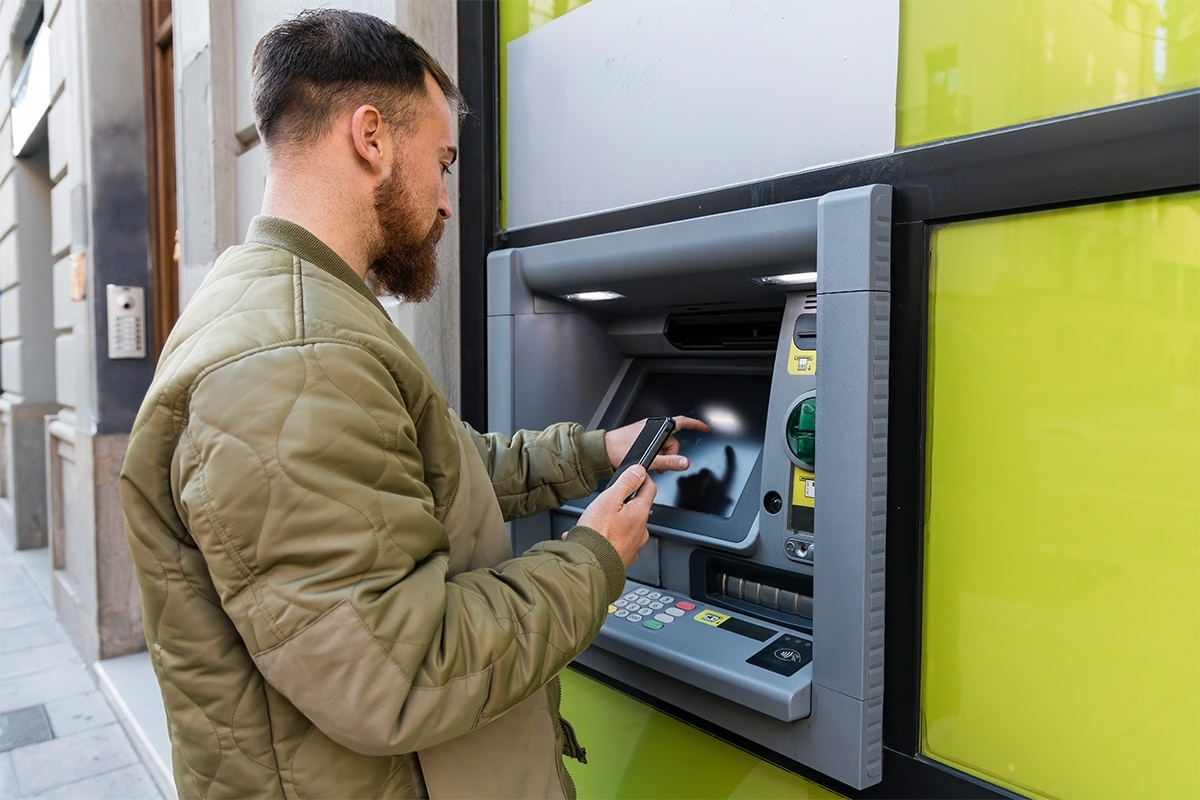
What Is a Cardless ATM?
Learn how cardless ATMs work and how easy and safe it is to withdraw cash or perform other banking transactions without your physical debit or credit card.

How to Make a Monthly Budget
Explore how to create a monthly budget in four easy steps. Track income, review expenses, and make informed decisions about your financial goals.
What Is Supplemental Income and How Is it Taxed?
What is supplemental income? Learn how bonuses, side gigs, and other extra earnings can help you reach your financial goals.

What Is Financial Planning?
Explore how personal financial planning can help you achieve your financial goals with actionable tips on budgeting and saving.

Types of Checking Accounts
Wondering which checking account is best? Compare different types of checking accounts, explore their features, and learn how to choose the right one for you.

What Is Zero-Based Budgeting?
Learn how zero-based budgeting works. Assign every dollar a purpose to take control of your finances and achieve your money goals.

How to Manage Your Money Better
Explore smart money management strategies to master your finances: budgeting, saving, and paying bills on time to improve your financial health and future.

How Much Should I Spend on Groceries?
People can spend very different amounts on groceries, depending on their family size, income level, and many other factors.

What Is an ATM Withdrawal Limit?
Learn about your ATM withdrawal limit, see how your bank sets this limit, and get tips for accessing cash no matter what your limit is.

What Is a High-Yield Savings Account?
Thinking about an HYSA? Learn about how it works and the pros and cons so you can decide if it's the right savings choice for you.

Cashier’s Check vs. Certified Check
Compare a certified check vs. cashier’s check. See how to get one, when to use them, and how they offer secure payment alternatives to personal checks.

What Is Personal Finance?
Personal finance refers to managing money in a way that works for you, while at the same time planning for your future goals. Learn more about how it works.

What Is Direct Deposit and How Does It Work?
Direct deposit is a way to deposit funds directly into a bank account. See why direct deposit offers a fast and secure way to receive payments.

How to Void a Check
Knowing how to void a check can help you prevent fraud or seamlessly set up direct deposit and automatic payments. Here’s how to properly void a check.

How to Deposit a Check Online
It’s easy to deposit a check online. Here are tips for online check deposits using your bank’s mobile app and tips for making secure transactions.

What Is Discretionary Income?
Discretionary income is the money that's available after your essential expenses and taxes have been paid. Learn more about how discretionary income works.

Inflation 101: Meaning and Causes
Inflation is a measure of rising prices for the things people usually buy. No matter how large your income or savings, a high inflation rate means your money buys less.

What Is an Electronic Check (eCheck)?
An electronic check (eCheck) is a digital alternative to a paper check. Learn how it works, how long it takes to process, and alternatives to consider.
How Does a Stop Payment Work?
A stop payment cancels the processing of a check or other unauthorized or mistaken transaction. Learn how stop payments work and how they can be used.

What Is an Overdraft Fee?
Learn how overdraft fees work, why banks charge them, and how to minimize them with smart strategies like setting alerts or switching to a fee-free bank.

How to Be a Financially Independent Women
Financial independence often requires planning and hard work, but there are unique challenges women may face. See steps to help you reach your long-term goals.

What Is a Wire Transfer?
Wire transfers are a fast and secure way to send money. Learn how they work and what to consider before using one.
What You Need to Know About Roth IRA Income Limits
Understanding Roth IRA contribution income limits can be key to your ability to use these tax-advantaged retirement savings accounts.

Fixed Vs. Variable Expenses: What’s the Difference?
Discover the difference between fixed and variable expenses and how each impacts your monthly budget.

What Is Compound Interest & How Is it Calculated?
Understand what compound interest is and how it works. Make interest work for you and grow your finances more quickly.

Know the 4 Key Steps to Balancing Your Checkbook
Balancing a checkbook gets easier the more you do it. Learn the purpose of balancing your checking account, why it’s important, and how to do it correctly.
What Is Gross Income?
Understanding the definition of gross income can be important because gross income is the starting point for calculating many other types of income.

How Do HELOCs Work?
HELOCs let you borrow funds from your home equity. Learn how HELOCs work and why they can be a cost-effective way to finance home improvement projects.

What Is Net Income?
Net income is the amount of pay you actually get to spend on needs and wants. Understanding net income can help your short- and long-term financial planning.

What Are P2P Payments?
A P2P payment involves sending or receiving money via a third-party digital platform. They offer convenience but may carry a level of risk as well.

How Long to Keep Financial Records
How long you should keep bank statements and other financial records varies. See how long you should keep records for tax purposes and personal finance management.
WHAT'S NEW

Choosing High-Yield Savings for Emergency Funds
Learn how high-yield savings accounts work for emergency funds, including their benefits, potential earnings, and tips for choosing the right account.

How Much Should You Have in an Emergency Fund?
Understand what an emergency fund is, how to build one, how much to save, and which accounts keep your money secure and accessible.
ALL EMERGENCY SAVINGS ARTICLES
Choosing High-Yield Savings for Emergency Funds
Learn how high-yield savings accounts work for emergency funds, including their benefits, potential earnings, and tips for choosing the right account.
How Much Should You Have in an Emergency Fund?
Understand what an emergency fund is, how to build one, how much to save, and which accounts keep your money secure and accessible.

How Much Savings Should You Have?
Experts suggest your savings should reflect your age, income, and lifestyle. Here’s what to consider when determining how much you should save for the future.
FEATURED ARTICLES

How to Make Your Money Work for You
Learn how to make your money work for you. See tips on investing, making passive income, planning for retirement, building emergency savings, and more.

How Does a Joint Bank Account Work?
A joint bank account is a checking or savings account you share with someone. Learn how a joint bank account works and the pros and cons of opening one.

A Guide to Investing in Stocks
A practical guide for beginners investing in stocks, including how to get started and how much to invest.
WHAT'S NEW

How to Calculate the Payback Period
Learn how to calculate the payback period using simple formulas to evaluate and compare investments. See the payback period formula and calculator.

What Is a Maturity Date?
Learn what a maturity date is in the context of loans, bonds, and CDs, and what happens with principal and interest when an investment or loan matures.

How to Calculate APY
Calculating the annual percentage yield (APY) of a savings or investment account can help you to find an account that offers the best interest rates. Learn how to calculate APY.
ALL INVESTMENT STRATEGIES ARTICLES

ETFs Vs. Mutual Funds: What You Need to Know
The ETF vs. mutual fund debate persists. From management styles, fees, and taxes, learn how each fund differs and when to choose one over the other.

What Is an Inherited IRA?
Inheriting an Individual Retirement Account (IRA) can come with challenges. Learn how an inherited IRA account works, the rules for withdrawal, and your options for managing funds.

How to Achieve Financial Freedom
Achieve financial freedom by budgeting, saving, reducing debt, investing, and creating a plan that puts you in control of your future.

The Differences Between APR, APY, and Interest Rates
APR vs. interest rate vs. APY: where to begin? APR and APY both include interest rates, but APR is mostly for borrowers, and APY is for investors.

Liquid Net Worth and How to Calculate It
Use a liquid net worth calculator to understand what your liquid net worth is, see why it matters, and learn tips to start growing your net worth long-term.

Comparing 4 Different Types of Mutual Funds
Understanding the four main types of mutual funds can help beginner investors decide which mutual funds they might want to invest in.
How to Calculate the Payback Period
Learn how to calculate the payback period using simple formulas to evaluate and compare investments. See the payback period formula and calculator.

What Is a CD Ladder?
Learn how CD ladders work and how they help you maximize returns on savings while giving you regular access to cash. Take steps to get started today.

Diversification Strategies for Your Investment Portfolio
Diversifying your portfolio can help reduce risk and volatility. Explore strategies to balance your investments effectively.

What Are the Benefits of a Roth IRA?
A Roth IRA offers tax-free growth and flexible contributions. Discover why it’s a valuable tool for retirement planning.

What Is a Collateralized Loan Obligation (CLO)?
Collateralized Loan Obligations (CLOs) are complex investments with risks and rewards. Learn how they work and what to consider.

How to Invest in Real Estate
Learn how to invest in real estate, from hands-on options like house flipping to passive strategies like investment trusts and crowdfunding.

Major Asset Classes Explained
Understanding asset classes can help you diversify and balance your portfolio. Learn about key investment categories and strategies.

How to Invest in a 401(k)
If your employer offers one, a 401(k) plan could be a convenient way to save for retirement. See how these plans work and how to choose 401k investments.

Growth vs. Value Investing
Understand the key differences between growth and value stocks to find the investment strategy that aligns with your financial goals.
How to Calculate APY
Calculating the annual percentage yield (APY) of a savings or investment account can help you to find an account that offers the best interest rates. Learn how to calculate APY.

What Are ETFs and How Do You Invest in Them?
ETFs are investment funds that give investors a simple way to diversify their holdings, often for lower fees than mutual funds. Learn the pros and cons of ETF investing.

What Should You Do Before a Recession?
Recessions could put your financial security at risk. Curious about what you should do before a recession? See financial moves you may want to consider making.
How to Make Your Money Work for You
Learn how to make your money work for you. See tips on investing, making passive income, planning for retirement, building emergency savings, and more.

What Is an Individual Retirement Account (IRA)?
Find out what an Individual Retirement Account (IRA) is, and see different types of IRAs, along with benefits, and contribution guidelines.

How to Invest in Mutual Funds
Mutual funds offer an easy way to invest in stocks or other financial assets. See how to invest in mutual funds and what you should know before you start.
What Is a Maturity Date?
Learn what a maturity date is in the context of loans, bonds, and CDs, and what happens with principal and interest when an investment or loan matures.
How Does a Joint Bank Account Work?
A joint bank account is a checking or savings account you share with someone. Learn how a joint bank account works and the pros and cons of opening one.

What Types of Investments Are Best for You?
Experts advise aligning your investments based on when you’ll need the money – short-term, medium, and long.

When Are CDs a Good Investment to Consider?
A certificate of deposit, or CD, may be a safe but limited way to hold some of your money. Learn when investing in a CD is the right choice for you.

How to Start Investing, for Beginners
Thinking about investing? Here are a few steps to help you choose the type of starting investment that’s best for you.
A Guide to Investing in Stocks
A practical guide for beginners investing in stocks, including how to get started and how much to invest.

A Guide to Socially Responsible Investing
Socially responsible investing can reward both the investor and the community by putting investors’ money toward ethical, socially conscious organizations.

Different Types of Equity Mutual Funds
Equity funds are available in many different types. This explanation of equity mutual fund types might help new investors choose the funds that are right for them.

How Does Investing Work?
How investing works puzzles many people until they gain experience. This overview can help you get started.

Effects of Inflation on Investments
Learn how inflation impacts investments, including stocks and real assets, and see strategies for mitigating its effects on your portfolio.

How to Determine Your Investment Risk Tolerance
Risk tolerance is the level of risk an investor is willing to take with their investments. Use these questions to help gauge your risk tolerance.

What Is Actual Cash Value?
Actual cash value is a method used to calculate the value of insured property. Here’s how it works and how it differs from replacement cost value.


What Is an ESOP?
An Employee Share Ownership Plan (ESOP) allows employees to acquire shares in the company they work for. Learn how an ESOP works, and what happens if you leave.
FEATURED ARTICLES

How to Open a Bank Account for Kids
See how to open a bank account for kids. Some banks have no age restrictions, while others do, but an adult will typically need to be present.

Money Market vs Savings Accounts: What You Need to Know
Savings accounts and money market accounts, while different, can each provide a safe and secure way to earn interest and grow your finances, regardless of market conditions.

How Do Savings Bonds Work?
Learn how savings bonds work. See why they are considered to be a safe investment and what your options are with this long-term investment.
WHAT'S NEW

High-Yield Savings Account vs. Roth IRA: Which Is Right for You?
A professional image of a person sitting in a cafe exploring financial options on a laptop.

Do I Have to Pay Taxes on a High-Yield Savings Account?
Learn how taxes apply to high-yield savings accounts, including how to report interest and plan ahead to maximize your savings.
ALL SAVING STRATEGIES ARTICLES

What Is the FDIC?
The Federal Deposit Insurance Corporation (FDIC) protects your money. Learn how FDIC insurance protects your deposits at banks and what the coverage limits are for your accounts.
Do I Have to Pay Taxes on a High-Yield Savings Account?
Learn how taxes apply to high-yield savings accounts, including how to report interest and plan ahead to maximize your savings.
High-Yield Savings Account vs. Roth IRA: Which Is Right for You?
A professional image of a person sitting in a cafe exploring financial options on a laptop.

How Often Do High-Yield Savings Account Rates Change?
Learn how often high-yield savings account rates change, why they fluctuate, and how to manage your savings effectively.

Checking vs. Savings Accounts: What's the Difference?
Checking vs. savings accounts: Learn the features of each type of account and how they can help you manage your finances.

What Is the 50/30/20 Budget Rule?
The 50/30/20 budget approach divides monthly income into three buckets to help you map out your spending today and build savings for tomorrow.

How Much Should You Save Each Month?
Calculate how much to save each month based on your income, and discover realistic saving strategies that still leave room to spend.

How to Manage Your Subscriptions: Strategies to Save Money
Looking for tips on how to manage your subscriptions? See strategies that can help you save money with subscriptions, and maybe even help your credit.
How to Open a Bank Account for Kids
See how to open a bank account for kids. Some banks have no age restrictions, while others do, but an adult will typically need to be present.

Opening a Joint Banking Account
Learn how to open a joint bank account to streamline shared finances and use our tips for managing spending and finding the right joint savings account.

How to Make Extra Income While Working Full-Time
Learn ways to earn extra income while working full-time and unlock practical ideas and tips for effectively balancing work and side hustles.

Top Tips to Save Money as a Young Couple
Saving money as a couple can help you both reach financial goals faster, but combining finances can also add hurdles. These tips may help.

What Percentage of Income Should Go to Rent?
Wondering how much of your income to spend on rent? The 30% rule is a common guideline, but it doesn’t fit everyone. Find out what works for you.

How to Find the Routing Number on a Check
Finding the routing number on a check is easy. Learn which numbers to look for and how they’re used in banking.

How to Set Up Direct Deposit
Direct deposit sends payments straight to your bank account. Follow our step-by-step guide to set it up quickly and easily.

Benefits of a Savings Account
A savings account offers safety, growth, and flexibility. See why it’s a smart place to keep money for emergencies, goals, and everyday financial planning.

Benefits of Opening a Checking Account
Learn about the advantages of having a checking account, including convenience, security, and access to financial services. See how a checking account can streamline your banking.

Certificate of Deposit Vs. Savings Account
Learn about certificates of deposit vs. savings accounts, browse CD and high-yield savings account options, and make smarter choices for your money.

How to Manage Money During Inflation
During inflation, we all need to be smart with where we put our money. These tips can help you be a smart consumer and investor to reduce the burden of inflation.

Tips for Saving Money When Moving Out of State
See how you can save money if you're moving across the country. Our checklist for moving out of state can help you to streamline the task and save money.

What Is a Bank Statement?
A bank statement shows your account activity and can help you track spending. Learn how to use your bank statement to stay on top of money management.

What Is a Health Savings Account?
Learn how Health Savings Accounts (HSAs) work, including tax advantages, eligibility requirements, and how they can help with medical and long-term savings.

High-Yield Savings Accounts vs. Money Market Accounts: What’s the Difference?
High-yield savings account vs. money market: Learn the key differences, benefits, and how to choose the right account to grow and access your savings.

CD vs. HYSA: How to Choose the Best Savings Strategy
CDs vs. HYSAs explained: See which savings account offers better rates, more flexibility, and how to decide the best fit for your money.

How Much of Your Paycheck Should You Save?
Curious how much of your paycheck you should save? See smart saving strategies and guidelines on how much of your paycheck you should be saving each month.

Types of Savings Accounts
Savings accounts are useful to put money away for the future. Compare the different types of savings accounts to help determine which is best for you.
Money Market vs Savings Accounts: What You Need to Know
Savings accounts and money market accounts, while different, can each provide a safe and secure way to earn interest and grow your finances, regardless of market conditions.

What Is an American Express® Savings Account?
Discover the features and benefits of an American Express® High Yield Savings Account, including mobile banking. Learn how to open an account.
How Do Savings Bonds Work?
Learn how savings bonds work. See why they are considered to be a safe investment and what your options are with this long-term investment.

Can You Deposit Cash at an ATM?
You may be able to deposit cash at an ATM with your bank or partner institution, but limitations may apply. In some cases, you may also need to pay fees.

Inherited IRA Rules You Should Know About
Learn about inherited IRA rules, including rules for spouses and non-spouses. See how these rules could impact you and other important considerations.

7 Budgeting Tips to Help You Save More Money
These seven tips for budgeting money can help move you closer to your financial goals – and may increase your happiness, too.

How do Savings Accounts Work in a Zero Interest World?
During economic downturns, the Federal Reserve can cut interest rates, leading to near-zero interest on savings. Here are three higher-interest alternatives.

How to Stop Spending Money and Start Saving
Knowing how to stop spending money and start saving is easier said than done. Learn how to take control of your budget and relationship with money with these tips.

Saving vs Investing – What’s the Difference?
Saving and investing are two different ways to achieve financial goals. Understanding the differences can help you choose the best approach for you.

7 Savings Challenges to Boost Your Bank Balance
Make saving fun! Learn several fun money-saving challenges to help you save money. Develop healthy financial habits that can help you reach your goals.

What Is the Average Interest Rate for Savings Accounts?
The average interest rate for a savings account will vary, depending on the type of account and other factors. Shopping around could help you to find the best deal.

What Are ACH Payments and Transactions?
Automatic Clearing House (ACH) payments and transactions offer some advantages, but they have their downsides as well. See how ACH payments work.
FEATURED ARTICLES

What Is the Average Tip Percentage?
The standard tip percentage for eating out in the U.S. is 15% to 20%, but this can vary. See factors that can impact how much you should leave for a tip.

What Is Layaway and How Does It Work?
Layaway lets you pay for big purchases over time. Learn how it works, its pros and cons, and whether it’s the right option for you.

What Is Online Banking and How Does It Work?
Online banking works by allowing you to manage your bank account or conduct transactions via your smartphone, tablet, or computer. See how it works.
WHAT'S NEW
What Is Layaway and How Does It Work?
Layaway lets you pay for big purchases over time. Learn how it works, its pros and cons, and whether it’s the right option for you.

How to Split a Group Bill When Dining Out
Learn how to split a group bill at a restaurant - without the stress. Explore tools, tips, and rewards to simplify group dining.

Mobile Banking Apps: Features That Matter the Most
Discover the key features and benefits of mobile banking apps, how they can improve money management, and what to look for in a secure app.
ALL LIFESTYLE ARTICLES
How to Split a Group Bill When Dining Out
Learn how to split a group bill at a restaurant - without the stress. Explore tools, tips, and rewards to simplify group dining.
Mobile Banking Apps: Features That Matter the Most
Discover the key features and benefits of mobile banking apps, how they can improve money management, and what to look for in a secure app.
What Is the Average Tip Percentage?
The standard tip percentage for eating out in the U.S. is 15% to 20%, but this can vary. See factors that can impact how much you should leave for a tip.
What Is Layaway and How Does It Work?
Layaway lets you pay for big purchases over time. Learn how it works, its pros and cons, and whether it’s the right option for you.
What Is Online Banking and How Does It Work?
Online banking works by allowing you to manage your bank account or conduct transactions via your smartphone, tablet, or computer. See how it works.

How to Stop Impulse Buying
Impulse buying can derail even the best budget. See steps you can take to help stop impulse spending and develop healthy financial habits.

65% of American families lack a cash buffer large enough to manage a simultaneous spike in expenses and dip in income.
EXPLORE TOPICS BY LIFE EVENT







The material made available for you on this website, Credit Intel, is for informational purposes only and intended for U.S. residents and is not intended to provide legal, tax or financial advice. If you have questions, please consult your own professional legal, tax and financial advisors.