


How to Increase Your Credit Limit
8 Min Read | Last updated: June 16, 2025

Learn how you can increase your credit limit and boost your credit score. Explore the different pros and cons of credit limit increases.
At-A-Glance
- An increased credit card limit might provide greater financial cushioning or even help positively impact your current credit score.
- A higher credit limit might not be the right choice for everyone.
- Several factors could increase your chances of extending your credit limit.
Your credit limit is the amount your card issuer is willing to extend to you. Credit card limits depend on factors like your credit history, monthly income, and the card issuer’s policies. But did you know that credit limits aren’t permanent?
That’s right, sometimes your credit card company automatically increases your limit, but be aware that your card company might also automatically reduce your limit. Other times, you’ll need to request higher credit limits formally. If you’re considering requesting or accepting a limit increase, here’s a step-by-step guide on what you can do.
How to Increase Your Credit Limit
There are a few ways you may be able to get a credit limit increase:
Use Your Card Responsibly
Sometimes, your card issuer will automatically increase your credit limit after seeing you consistently use the card responsibly. This includes making on time monthly payments and keeping your credit utilization ratio low.
Ask Your Credit Card Issuer for One
It doesn’t mean you’re not eligible if you haven’t received an automatic increase, but you may have to ask. Card issuers may let you request a credit limit increase online or by phone. Your card company will probably assess your personal information, like your employment status, annual income, mortgage or rental payments, and why you’re requesting the increase to estimate your level of risk.1
Consider a New Credit Card
If you have a strong credit history, a new card with a higher limit might be a possible option. And, even if your new card doesn’t receive a higher limit, opening another line of credit may have a similar effect by increasing your total available line of credit.

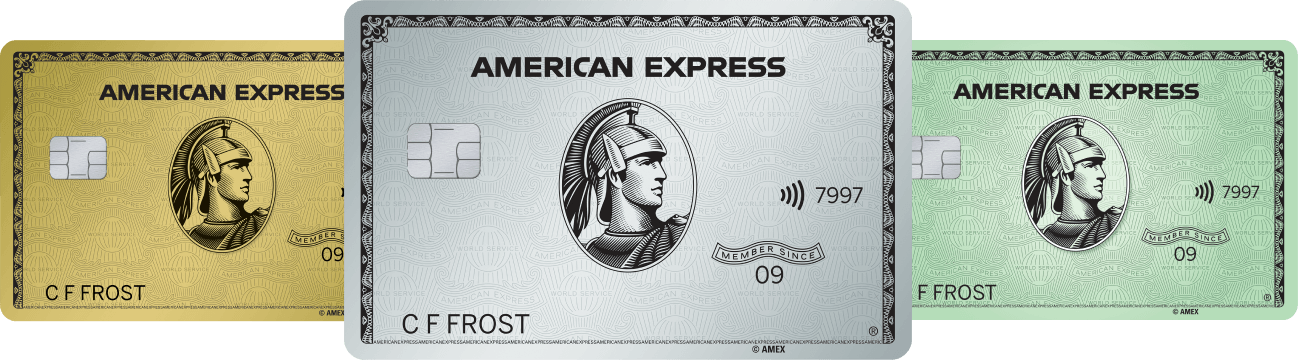
To review the full range of available American Express Cards, please visit americanexpress.com/apply or call us at 888‑779‑9580 to apply. We're happy to help you find the Card that's right for you. 8 am - 11 pm EST, 7 days.
Whether you choose to make a request, wait for an automatic increase, or apply for a new card, the chances of increasing your credit card limit could improve if:
- Your income recently increased or housing costs decreased.2
- You have paid off or closed other credit accounts.3
- Your credit score improves.4
- You have a good history with the card issuer.5
- You pick a card that aligns with your credit profile and financial needs.


Is It Difficult to Increase Your Credit Limit?
You might find securing a higher credit limit difficult in the following cases:6
- You’ve just opened your account
- You’ve missed payments recently
- You’ve applied for other forms of credit recently
Is It Good to Increase Your Credit Limit?
Increasing your credit limit may open up new financial doors if you’re financially stable, maintain low balances, and pay your monthly statements. A higher credit card limit might provide more financial freedom and extra money for emergency repairs, a last-minute holiday, or a larger-than-usual purchase. A higher credit limit may also help to positively impact your credit score with time by lowering your credit utilization ratio or the percentage of your total credit limit you’re now using.
For example, if your credit limit caps at $5,000, and your previous statement had a $2,500 balance, then you used 50% of your total limit. However, if your credit limit jumps to $10,000, you’re now using just 25% of your credit limit.
Why do those percentages count? Keeping your credit utilization rate as low as possible is a good guideline, as it has an estimated 30% weight in calculating your overall FICO® Score.7
Is It Bad to Request a Credit Limit Increase?
If overspending is a struggle for you, increasing your credit limit may create more disadvantages than advantages. Higher credit limits may produce greater potential for generating debt that can negatively impact your credit score. If you wind up missing payments or frequently max out your card, your issuer might see more risk in your borrowing behavior and decrease your current limit.
Put simply, a higher credit limit may not be for you if you worry about whether you’ll be able to use it responsibly. You also probably won’t be approved until you’ve shown several months of consistent, healthy payments.
Some card issuers may have a total credit cap, too. If that’s the case, increasing your credit limit could prevent you from increasing the limit on another account or getting a different card from the same issuer.
A Credit Limit Increase Request Can Impact Your Credit Score
You might wonder if requesting a credit limit increase affects your credit score: it depends. If your card issuer conducts a hard inquiry into your credit report to analyze your financial risk, you could see slight impacts on your credit score.8 If you’re approved and your credit utilization decreases, your score may benefit more.
And if you’re denied, don’t worry. In the meantime, use the credit card while keeping up with payments. The card issuer spells out how often you can request a credit limit increase, some specify that this can only be done every six months.9
Frequently Asked Questions
While it may not be difficult for many to secure a $10,000 maximum, this is the higher end of the spectrum. Typically, credit limits fall between $500 to $10,000 per card.10
If you received a credit increase it could be because you pay your bill on time each month and have managed your credit responsibly.
A reasonable increase in credit depends on your current credit limit. A 10% to 25% increase is considered a typical credit increase, but yours may vary, depending on a number of different factors including the credit card issuer’s policy.11
The Takeaway
Card companies may reward responsible borrowing with automatic credit limit increases, but requesting an increase is another option. Even though such a request might negatively impact your credit score, the pros of a higher credit card limit may outweigh the negatives as long as you’re financially responsible.
1 “Credit Limit Increases: What to Know,” Equifax
2,3,4,5,6,8 “When’s a Good Time to Request a Credit Limit Increase?,” Experian
7 “What is Amounts Owed?,” myFICO
9 “What to Expect When Asking for a Credit Limit Increase,” Equifax
10 “How your credit limit is determined,” Bankrate
11 “How to Increase Your Credit Limit: Top Tips and Strategies,” Business Insider


Megan Doyle is a business technology writer and researcher whose work focuses on financial services and cross-cultural diversity and inclusion.
All Credit Intel content is written by freelance authors and commissioned and paid for by American Express.
Related Articles

Credit Score vs Credit Report
Learn about credit scores and reports. See how they work together to give you a picture of your financial health. Learn how to check them for free.

Credit Utilization Ratio: What You Should Know
Your credit utilization ratio is a factor in determining your credit score. See how your credit utilization ratio is calculated and how to lower it.

What Is a Credit Limit and Why Does It Matter?
Your credit limit may be the maximum balance that you’re allowed to charge to your credit card. See how it can impact your credit score.
The material made available for you on this website, Credit Intel, is for informational purposes only and intended for U.S. residents and is not intended to provide legal, tax or financial advice. If you have questions, please consult your own professional legal, tax and financial advisors.