


What Is a Charge Card?
4 Min Read | Published: December 22, 2025

This article contains general information and is not intended to provide information that is specific to American Express products and services. Similar products and services offered by different companies will have different features and you should always read about product details before acquiring any financial product.
Learn the definition of a charge card, usage tips, benefits and drawbacks, and how it differs from a credit card so you can make smarter spending decisions.
At-A-Glance
- A charge card lets you make purchases but requires you to pay the balance in full each month.
- Charge cards usually don’t have preset spending limits, but don’t allow revolving balances.
- Today, credit cards are more common alternatives, offering greater flexibility and a wider range of rewards.
Ever hear the term “charge card” and wonder how it’s different from a regular credit card? While not as common today, charge cards were once a popular way to pay for everything from business expenses to big-ticket items. The big difference: with a charge card, you’re expected to pay your balance in full every month: no carrying balances, no minimum payments. Generally speaking, credit cards offer all the benefits of charge cards, but with added flexibility and perks. Let’s dive in to understand how charge cards work.
How Do Charge Cards Work?
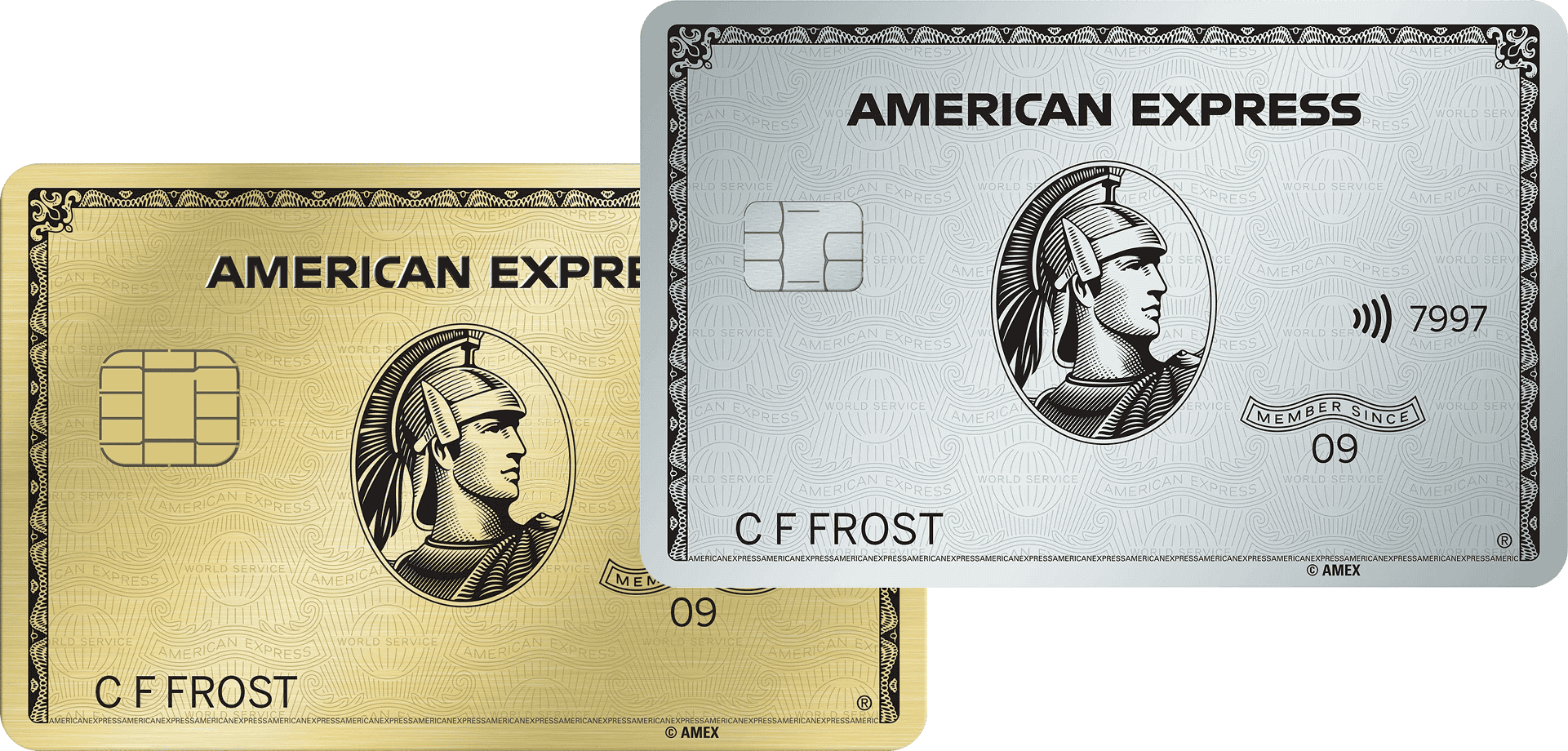
A charge card looks and works like a credit card when you make purchases. But there’s a key distinction: you must pay the balance in full each billing cycle. Charge cards generally don’t have preset spending limits, which can make them appealing for large purchases.1 However, you’ll owe that entire amount at the end of the billing cycle, so it’s a responsible idea to cap your spending at an amount you can confidently repay.

The Difference Between Charge Cards and Credit Cards
Charge cards and credit cards have a few key differences, such as:
- Revolving Credit
Credit cards use a system of revolving credit, meaning that, as long as you make a minimum payment, you can carry a balance from month to month. Charge card balances must be paid off completely each month.
- Interest
Since you don’t carry a long-term balance on your charge card, you don’t accrue interest. With credit cards, your issuer can charge interest on your outstanding balance.
- Availability
These days, charge cards might be harder to come by, so you may have fewer options to choose from. As a very popular spending option, credit cards may offer more diverse range of rewards and perks that could suit different types of spenders.
Why Charge Cards Are Less Popular
Charge cards have their benefits for certain spenders, but there are reasons that credit cards have become more popular, such as:
- Flexibility
If you want more flexibility in your ability to pay back your expenses, credit cards let you stretch your payments over longer periods of time. However, you may pay interest on your spending if you don’t pay off your balance in full.
- Perks
Many of the perks that were once unique to charge cards, like rewards and travel benefits, are now offered by premium credit cards.
- Store Loyalty
Once upon a time, some store loyalty cards were charge cards. These days, many retailers have partnered with financial institutions to make credit cards the primary method for building store loyalty and financing retail expenses.
What to Consider If You’re Exploring Cards
If you’re deciding between a charge card and a credit card, you should think about your payment habits. Do you prefer to pay your balance in full each month? Are you looking for more specific reward structures that might only be offered by certain credit cards? How flexible are your spending limits and repayment timelines?
Many people today have decided that credit cards are more suitable for their needs, but everyone has different goals and preferences. Explore your options and speak with a financial professional if you need more help deciding on a card that’s right for you.
Frequently Asked Questions
Charge cards and credit cards can offer similar features, but differ in how you repay them. Charge cards require you to pay your balance in full each month, while credit cards let you carry a balance with interest.
Yes, but they’re much less common today. Many people now prefer credit cards for their flexibility and more varied reward structures.
The most glaring downside for some people might be the lack of flexibility in repayment. If you can’t pay your balance in full on a charge card, you could face steep fees or penalties.
Whether you qualify for a charge card depends on the issuer’s specific requirements. In general, you’ll need good to excellent credit, a strong repayment history, and stable income.
The Takeaway
Charge cards offer a payment structure that some people prefer, but credit cards have become a more common, more flexible option. If you want flexibility, rewards, or perks, credit cards offer a wide range of choices for different spending preferences. Curious what’s out there? Explore CardShop to see your options.
1 “Charge card vs. credit card: What’s the difference?,” CNBC
2 “No Preset Spending Limit,” American Express


Scott Drueding Hanson is a content writer and copywriter based in Brooklyn. His work focuses primarily on personal finance.
All Credit Intel content is written by freelance authors and commissioned and paid for by American Express.
Related Articles

How to Choose a Credit Card That’s Right for You
Choosing the right credit card isn’t always easy. Our guide can help you learn how to pick a credit card that matches your budget and credit profile.

How to Get a Credit Card for the First Time
Start your financial journey! Learn how to get a credit card for the first time with our guide featuring great credit cards for beginners and helpful tips.

Your Guide to the Different Types of Credit Cards
New to credit cards? Compare the different types of credit cards to find the best fit, from secured and unsecured to travel and reward cards.
The material made available for you on this website, Credit Intel, is for informational purposes only and intended for U.S. residents and is not intended to provide legal, tax or financial advice. If you have questions, please consult your own professional legal, tax and financial advisors.