


What Is a Credit Card Annual Fee?
7 Min Read | Last updated: June 4, 2026

This article contains general information and is not intended to provide information that is specific to American Express products and services. Similar products and services offered by different companies will have different features and you should always read about product details before acquiring any financial product.
The benefits and rewards of a credit card can outweigh the annual fee. Explore whether paying a credit card’s annual fee may be worth it for you.
At-A-Glance
- Many credit cards charge an annual fee, which can range from around $95 up to $895 or more, depending on the card.
- Although no annual fee cards are available, these cards may include fewer benefits.
- When deciding whether a card with an annual fee is worth it for you, you may want to carefully consider the features and benefits of the card.
Credit card annual fees might seem like an unnecessary expense—until you see what you’ll gain for that fee and how it could benefit you. Many choose to avoid annual fees at all costs, while others happily pay multiple annual fees. To understand which camp is right for you, we’ll explore how an annual fee credit card works and how to determine whether that fee might be worth it for your lifestyle.
What Is a Credit Card Annual Fee?
A credit card annual fee is the cost that a credit card company charges each year to maintain the credit card account and provide access to certain benefits. The fee is charged to the applicable card when you open the account and again each year in your anniversary month. Annual fees vary widely depending on the benefits you get with the card, ranging from $95 to $895.
According to a 2025 report from the Consumer Financial Protection Bureau (CFPB), the average credit card annual fee is $127.1 While that may seem like a lot to pay just to have a card, you may find that the benefits and perks outweigh the cost. However, if you can’t justify paying an annual fee, there are still plenty of credit cards with no annual fee that could meet your needs.
Why Do Credit Cards Charge an Annual Fee?
Most of the credit cards that charge an annual fee come with perks and benefits that the annual fee helps pay for. These perks may include:
- Rewards programs
- Statement credits
- Travel insurance
- Airport lounge access
- Priority boarding on flights
- Reimbursed Global Entry or TSA PreCheck fees
- Free checked bags
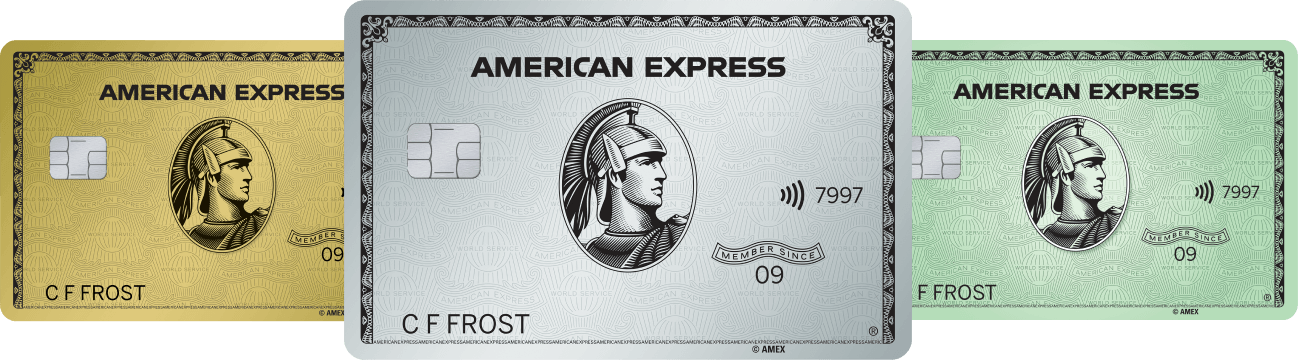
One of the most popular examples of a card with an annual fee is the American Express Platinum Card® with an $895 annual fee.2 Card Members have the opportunity to unlock over $3,500 in value each year,3 which can more than offset the annual fee for Members who can utilize most or all of the features. To determine whether a credit card with an annual fee is right for you, it’s important to consider how well the card fits your spending and lifestyle.
Is It Worth Paying a Credit Card Annual Fee?
Before deciding to get a credit card with an annual fee, you should consider how well it fits into your life by assessing the following aspects.
- Rewards Program
Where do you do most of your credit card spending, and how much do you spend in those categories annually? If you do most of your spending in groceries and gas, for example, it may not make sense to get an annual fee card that doesn’t heavily reward those categories. The amount you earn in rewards each year should also account for a solid portion of the annual fee. - Travel Benefits
If you’re choosing a travel card with an annual fee, look for valuable travel benefits like complimentary lounge access, free checked bags or priority on select upgrades. Some credit cards may even offer reimbursement for Global Entry or TSA Precheck®, which could help you get through airport security faster.
One example of a credit card offering premium travel benefits is the Delta SkyMiles® Reserve American Express Card. It offers access to the Delta SkyClub with 15 visits per year, upgrade priority, and complimentary upgrades. Plus, your first bag flies free on international and domestic Delta flights, and your second bag flies free on domestic flights, too.4 Frequent travelers may find that a premium credit card with these features makes the annual fee worth it. - Statement Credits
Many premium cards with an annual fee offer statement credits for certain purchases or hotel stays that may outweigh that yearly cost. For example, the Delta SkyMiles Platinum American Express Card lets Members earn up to $10 back each month on Resy—up to $120 back each year (enrollment required). The Card also offers members the chance to earn up to $10 back each month on U.S. rideshare purchases with select providers, up to $120 back annually (enrollment required). Plus there’s a $150 Delta Stays credit after using your card to book prepaid hotels or vacations through Delta Stays on delta.com.5 Those three statement credit opportunities alone exceed the annual fee for the Delta SkyMiles Platinum American Express Card. - Welcome Offer
Many cards with an annual fee may offer a reduced introductory annual fee for the first year before charging the full annual fee in the second year. One example of this is the Delta SkyMiles Gold American Express Card New Card Members receive a $0 introductory annual fee for the first year, then a $150 annual fee each year after.6 Other cards may have a welcome offer after spending a certain amount within the first few months of card membership. Although these are one-time benefits, they may still help recoup some of the annual fee as long as you fulfill the offer requirements. - Additional Features
What else does the card offer? Some cards offer purchase protection, extended warranties, travel insurance, or access to exclusive events. If these features align with your needs, they could make that card with an annual fee worth considering. - Credit Requirements
If you’re working through credit challenges and can’t get approved for traditional credit cards, you may have to use a card designed for subprime credit, such as a secured credit card. These types of cards may charge an annual fee or a monthly fee in some cases. Once you’ve done the work to repair your credit, you may be able to qualify for no annual fee credit cards.


Running the Numbers on Credit Card Annual Fees
If a credit card with an annual fee seems like the right choice for you, adding up the potential value of its rewards and benefits is one of the best ways to see whether it’s worth it for you. To see how this works, let’s consider an example of two cash back rewards cards:
| Card 1 | Card2 |
|---|---|
| No annual fee | $295 annual fee |
| 3% cash back at supermarkets | 6% cash back at supermarkets |
| 2% cash back at gas stations and some department stores |
3% cash back at gas stations and some department stores |
For this example, we’ll take our estimated weekly grocery spend, divide it by 6% (or .06), and multiply it by 52 weeks to see what our annual cash back on groceries would be.
In this case, let’s say we’re spending $100 per week on groceries. 100 x .06 = $6 per week.
Now, multiply $6 by 52 weeks to get an annual total of $312 in rewards. After doing the math, you can see that the rewards value still puts you ahead of the annual fee as long as you’re spending at least $100 a week on groceries. If you don’t, the no annual fee credit card may be the better choice for you.
If you’re weighing the cost of a rewards card, it’s important to consider the monetary value of any statement credits that you know you’ll use. These can add to the rewards you’ll earn and the value you’ll get from the card.

For example, the Delta SkyMiles® Gold American Express Card has no annual fee for the first year (then $150 after that)7 and offers benefits like:
- $200 Delta Flight Credit
Earn a $200 Delta Flight Credit toward your next trip after spending $10,000 in purchases on the Card in a calendar year. - $120 Rideshare Credit
Earn up to $10 back each month after your first card renewal when using your enrolled Delta SkyMiles Gold for U.S. rideshare purchases with select providers. - $100 Delta Stays Credit
Get up to $100 back per year as a statement credit after using your Card to book prepaid hotels or vacation rentals through Delta Stays on delta.com/stays.8 - TakeOff 15
Take 15% off anytime you book Award Travel with miles on Delta flights when using delta.com and the Fly Delta app. (Discount not applicable to partner-operated flights or to taxes and fees.) - First and Second Checked Bag Free
Your first bag flies free on international and domestic Delta flights, and your second bag flies free on domestic flights, too. - Priority Boarding
Receive Zone 5 Priority Boarding on Delta flights.
Other travel credit cards may have different annual fees and benefits. If you travel often and use the available perks, the value may far exceed the annual fee. Before putting down the calculator, be sure to account for any interest charges you may incur if you plan to hold a balance on the card.
Not sure which credit card is right for you? Learn more about American Express Card Levels:
Compare different American Express Credit Card offerings and annual fees to find a card that’s right for you.
Frequently Asked Questions
The annual fee gets charged to a credit card once a year. During the first year of card membership, the fee is charged when you open the card. After the first year, the fee is charged on each anniversary of your account opening, when the card automatically renews.
Most American Express cards have an annual fee. There are currently three Cards without an annual fee. The amount varies, depending on the card and its benefits. Cards with higher fees may offer more extensive rewards programs, travel perks, and other valuable features.
One American Express Card without an annual fee is the Amex Blue Cash Everyday® Card. This card offers cashback rewards on everyday purchases, such as groceries and gas, with no annual fee. Other no-fee options are the Hilton Honors American Express Card and the Delta SkyMiles® Blue American Express Card.
The Takeaway
Credit cards with annual fees can often represent good value, depending on your needs and preferences. When weighing the benefits and costs of different credit cards, consider your lifestyle, spending habits, and available options carefully to ensure that you choose a card that’s right for you.
1 “The Consumer Credit Card Market Report to Congress,” Consumer Financial Protection Bureau (CFPB)
2 For more on Rates and Fees for the American Express Platinum Card, click here.
3 For more on Benefit and Offer Terms for the American Express Platinum Card, click here.
4 For more on Benefit and Offer Terms for the Delta SkyMiles® Reserve American Express Card, click here.
5 For more on Benefit and Offer Terms for the Delta SkyMiles® Platinum American Express Card, click here.
6,7 For more on Rates and Fees for the Delta SkyMiles® Gold American Express Card, click here.
8 For more on Benefit and Offer Terms for the Delta SkyMiles® Gold American Express Card, click here.


Allan Halcrow is a freelance writer concentrating in business, human resources, and diversity and inclusion. He is also the author of four books on management.
All Credit Intel content is written by freelance authors and commissioned and paid for by American Express.
Related Articles

7 Factors to Consider When Comparing Credit Cards
Learn what to consider when comparing credit cards, including rewards, fees, and interest rates. See how you can make an informed decision before applying.

Annual Fee vs. No Annual Fee Credit Cards
Using a credit card with no annual fee could help you save money, but cards with an annual fee may offer better rewards like travel perks or cash back.

The Benefits of No Annual Fee Credit Cards
Choose the best no annual fee credit card for you by exploring the available benefits, including money-saving rewards like cash back and travel points.
The material made available for you on this website, Credit Intel, is for informational purposes only and intended for U.S. residents and is not intended to provide legal, tax or financial advice. If you have questions, please consult your own professional legal, tax and financial advisors.