


What Are Credit Cards and How Do They Work?
6 Min Read | Last updated: June 16, 2025

This article contains general information and is not intended to provide information that is specific to American Express products and services. Similar products and services offered by different companies will have different features and you should always read about product details before acquiring any financial product.
A credit card is a secure way to borrow money for purchases and build credit. Learn how credit cards work, their benefits, and how to use them wisely.
At-A-Glance
- There are many types of credit cards, each with different pros and cons depending on your individual needs.
- Different credit cards can help you build credit, save money, or earn various types of rewards.
- Debit and charge cards are sometimes mistaken for credit cards.
Credit cards are powerful financial tools that can provide qualified users access to funds. But what is a credit card, how does a credit card work, and are all credit cards created equal? Let’s define credit card, describe credit card variations, and consider the pros and cons of each. We’ll also learn about other types of cards commonly mistaken for credit cards and understand how they work. The more you know, the easier it can be to choose a credit card that helps meet your financial goals.
What is a Credit Card?
A credit card is a small piece of plastic (or sometimes, metal) with a chip or magnetic strip that can provide you with access to a cash substitute to pay for goods and services. For that convenience, you may pay interest on the amount you borrow and, sometimes, other fees.
There are many kinds of credit cards. For example, you can use general-purpose credit cards at many businesses that accept credit cards, while you may only be able to use private-label (or co-branded) cards at the businesses that issue them. Secured credit cards are designed to build (or rebuild) credit, and zero-interest balance transfer cards can save you money on interest if you read (and abide by) the terms and conditions.
It’s useful to select a credit card with features that match your goals.
How Does a Credit Card Work?
If you’re approved for a credit card, your card issuer can mail you the card, which you can then use to make purchases online and at brick-and-mortar vendors. You’ll receive a specific credit limit, which is the upper bound of your spending capabilities.
When you charge transactions on your credit card by swiping, tapping, or entering your card number online, the transactions are added to a ledger that keeps track of all your card activity. At the end of the month or agreed-upon period, your card issuer may notify you via a credit card statement how much you’ve spent and that it’s time to pay your balance due. In addition to the total balance, your card issuer may also provide a minimum payment amount.
To avoid late fees and prevent negative implications for your credit score, you’ll submit a payment to your card issuer before the due date. You can avoid paying interest on purchases if you pay your card balance in full each month. However, failure to pay your card timely or only paying the minimum could mean being charged interest on whatever balance you carry.
Debit Cards vs. Credit Cards
Many people are confused about the difference between credit cards and debit cards. But while these two cards may look similar, there are some important differences between them.
- Debit Cards
Debit cards are not credit cards – they allow you to access electronic networks to use money from your checking account in real time. Debit cards are widely accepted, and with these cards, you may not be able to spend more than you have in your account at the time. However, you have fewer legal protections when you dispute certain charges with a debit card.1 - Credit Cards
Credit cards are cards that allow you access to a line of credit. You can think of them as mini loans. You can borrow the money by making charges on your card, and then you may need to repay those charges (along with any relevant fees) on time, otherwise you may end up owing interest and in some cases, late fees and other charges as well. Note that for certain transactions, such as cash advances and balance transfers, interest can apply right away.
Types of Credit Cards
Below we will explore some of the different types of credit cards that you have to choose from. The best option for you will depend on your needs, preferences, and goals.
Secured Credit Cards
Any credit card can help you build good credit if you are 18 years or older, use it responsibly, consistently use only a small portion of your available credit, and make on-time payments. But some cards are designed to help you build credit.
Secured credit cards are secured by cash. You make a cash deposit and get a credit card with a limit equal to that deposit. You then use the card and make payments toward your balance to show that you are a responsible borrower.
Pros and Cons of Secured Credit Cards
Pros
- May be easier to get approved for.2
- You can't spend more than you have.
- When you close the account, you can get your deposit back.
Cons
- You have to have cash to deposit.
- Because it's your cash, credit limits may be low.
- Won't help you build credit if the creditor doesn't report to the three major credit reporting agencies, so it's worth finding out.3
If you’re looking to build credit, you can also get a credit card as an authorized user. The owner of a credit card may grant you charging privileges on their account. The authorized user has their own credit card with their name on it but is not legally responsible for making payments.
Balance Transfer Credit Cards
If you review the terms and conditions, stick to certain practices, and stay informed, you could actually save money using a credit card. This is especially true with balance transfer credit cards, as some of these credit cards may offer a zero percentage introductory Annual Percentage Rate (APR). The intro interest rate may apply to new purchases, to a balance you transfer from an existing card, or both.
Pros and Cons of Balance Transfer Credit Cards
Pros
- Your payment goes towards the principal, not interest.
- It could save you a lot of money if you were being charged high interest on the previous card.
Cons
- Hard to get if you don't have good credit.
- The zero percent rate can last at least six months.4 Just remember to read the terms and conditions for specific rules.
American Express offers two balance transfer credit cards that can help you simplify financial management and save on interest: the Blue Cash Preferred® Card and the Blue Cash Everyday® Card. You can Apply With Confidence to know if you’re approved for either Card with no impact to your credit score.
Rewards Credit Cards
Airlines sometimes promote credit cards that let you earn miles for each dollar you spend. But there are many rewards credit cards that give back a percentage of what you spend or give you points that you can redeem for merchandise or experiences. And beyond the airline, points-generating travel and hotel credit cards are also popular.
Pros and Cons of Rewards Cards
Pros
- If you plan well, you can turn your basic spending into some nice perks.
- If you travel regularly, you can accumulate travel points easily or make travel purchases with points.
Cons
- You may pay a higher annual fee than on standard cards.
- If you carry a balance, interest can add up fast.
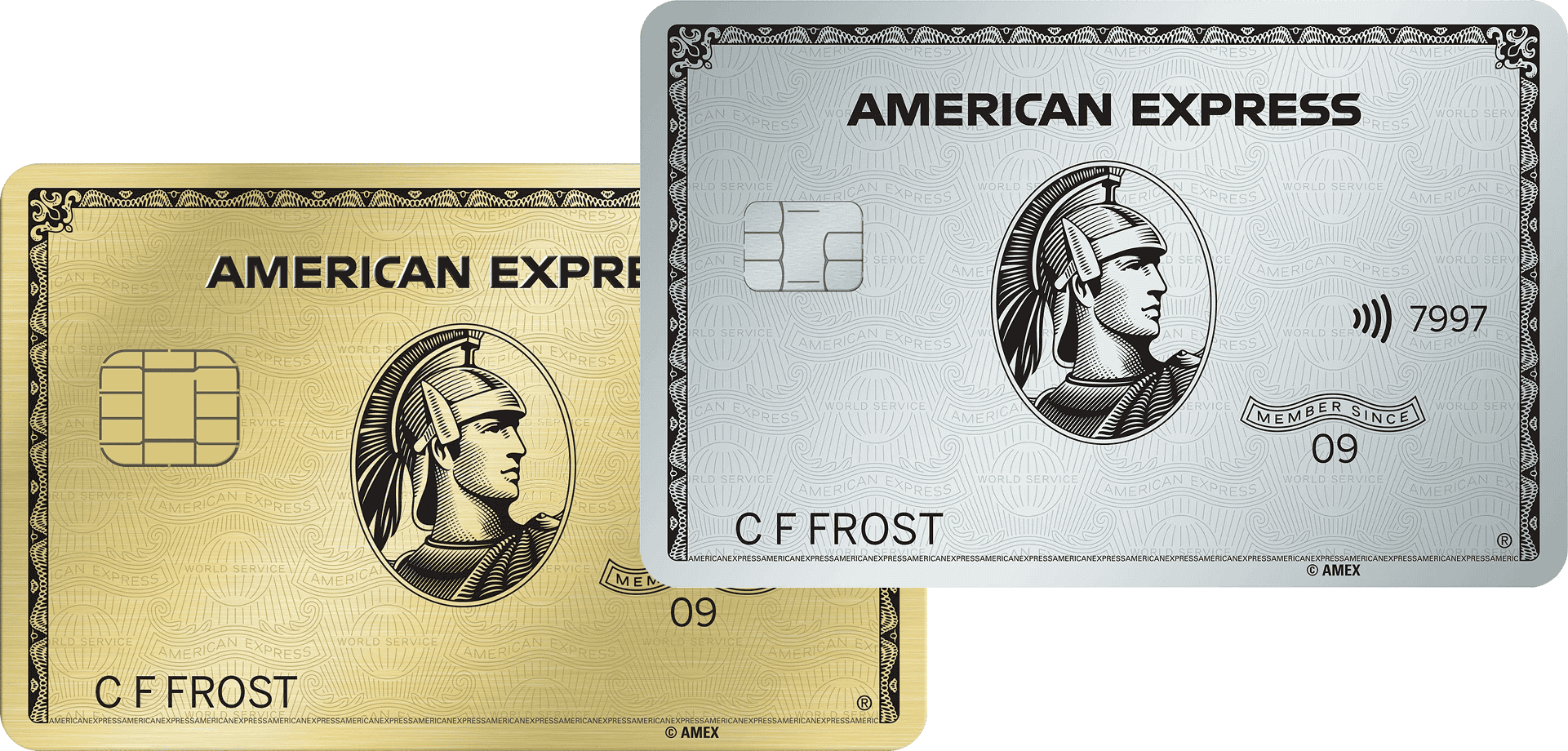
Whether you’re a food lover or world traveler (or both!), American Express offers Cards that enable you to earn Membership Rewards Points®. Check out the Platinum Card® to get points on flights booked directly with airlines or through American Express Travel® and points on prepaid hotels booked on amextravel.com. And explore the American Express® Gold Card benefits, which include the ability to earn points at restaurants worldwide and points on groceries at U.S. supermarkets. (Terms and Conditions Apply)

Frequently Asked Questions
For many people, the biggest risk of a credit card is not being able to pay off the balance due each month. When interest accumulates, it can be more challenging for the average person to get out of debt.
The purpose of a credit card is to provide a secure way to pay for goods and services online and in person. Credit cards may be used instead of alternative payment methods like cash, checks, or debit cards.
The Takeaway
A credit card can be useful and help build your credit history when used responsibly. With the right combination of credit card features, you could directly support your financial goals. On the other hand, poor choices could actually make your financial situation worse. When you’re ready to choose the right credit card for you, start by defining your goals, ask questions, and remember to read the terms and conditions.
1 “Comparing Credit, Charge, Secured Credit, Debit, or Prepaid Cards,” Federal Trade Commission - Consumer Advice
2 “What Is the Easiest Credit Card to Get With No Credit?,” Experian
3 “Do Secured Credit Cards Build Credit History?,” Experian
4 “How long can I keep a low rate on a balance transfer or other introductory rate?,” CFPB - Consumer Financial Protection Bureau


Allan Halcrow is a freelance writer concentrating in business, human resources, and diversity and inclusion. He is also the author of four books on management.
All Credit Intel content is written by freelance authors and commissioned and paid for by American Express.
Related Articles

Choosing the Best Travel or Hotel Credit Card For You
General travel cards offer flexibility, while hotel cards reward loyalty. Learn how travel credit cards work and how they can help you earn bonus travel, upgrades, and more.

What Is a Credit Report and Why Is it Important?
Understanding what a credit report is could be confusing. Learn what information a credit report contains and how to get your credit report for free.

How Often Does Your Credit Score Update?
See when, why, and how often credit scores update. Learn how to track your credit score's progress for free and see how much your credit score may change.
The material made available for you on this website, Credit Intel, is for informational purposes only and intended for U.S. residents and is not intended to provide legal, tax or financial advice. If you have questions, please consult your own professional legal, tax and financial advisors.