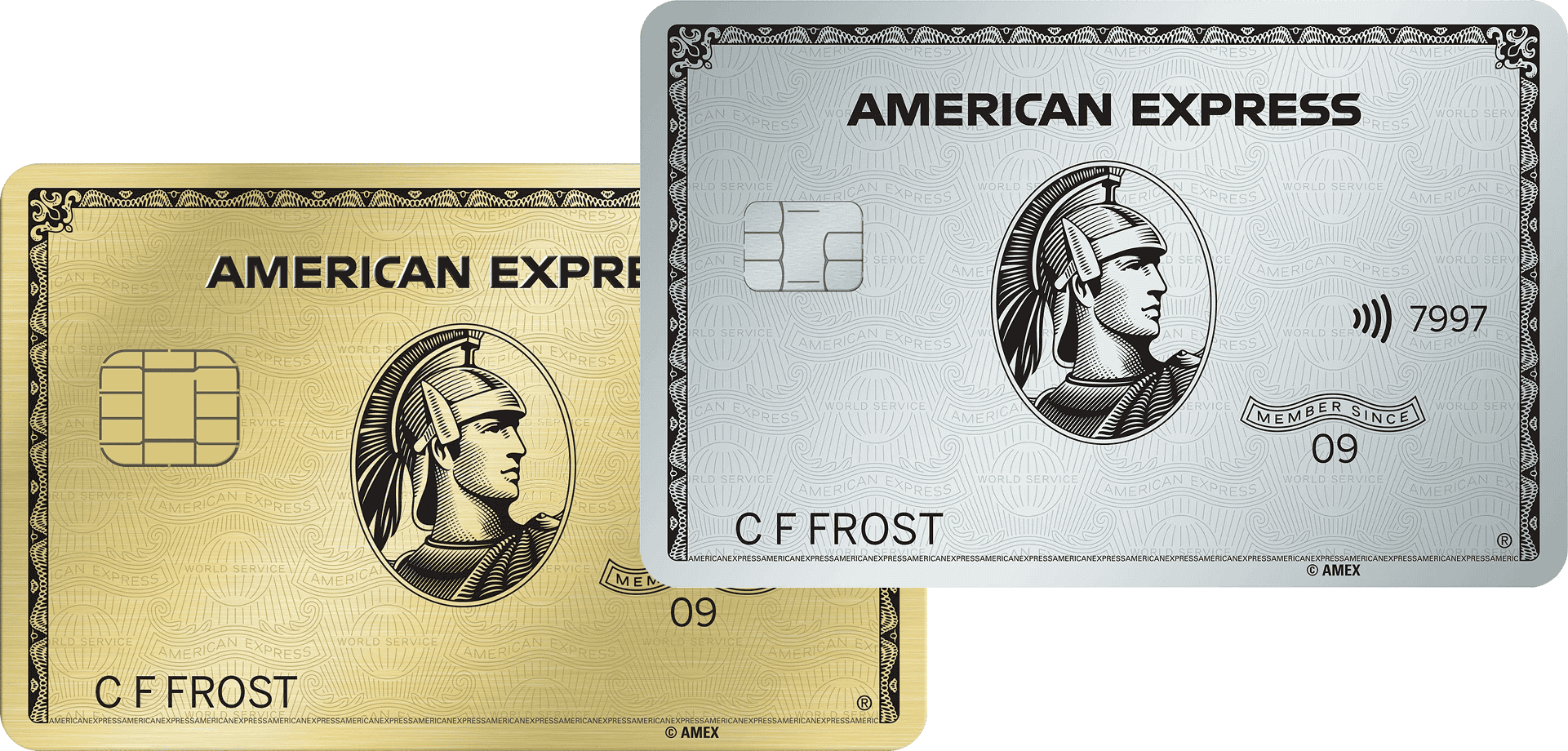



Annual Fee vs. No Annual Fee Credit Cards
5 Min Read | Last updated: July 10, 2026

This article contains general information and is not intended to provide information that is specific to American Express products and services. Similar products and services offered by different companies will have different features and you should always read about product details before acquiring any financial product.
Using a credit card with no annual fee could help you save money, but cards with a fee may offer better rewards like travel perks or cash back.
At-A-Glance
- Credit cards with no annual fees may provide basic cash-back benefits and other perks that can help you earn more with your spending.
- Some credit cards with no annual fees also offer a 0% APR for an introductory period, which may be useful for large purchases and balance transfers.
- Credit cards with no annual fees may not offer as many rewards and perks as premium credit cards with annual fees.
Getting a credit card that has no annual fee might sound like it’s too good to be true, but there are plenty of credit cards that offer cash-back rewards with no annual fee. In fact, some no annual fee credit cards may also offer a 0% annual percentage rate (APR) for an introductory period. The catch: These cards may not provide as many rewards as credit cards with annual fees. Still, there are plenty of reasons why a credit card with no annual fee might be an attractive option.
Let’s walk through the ins and outs of credit cards with no annual fees and how they stack up against annual fee credit cards.
Comparing Annual Fee and No Annual Fee Credit Cards
Here’s a quick look at some of the differences between annual fee and no annual fee credit cards.
- Credit Cards with Annual Fees
Credit cards with annual fees are considered by some as “premium” or “elite” due to their extensive rewards and other benefits. For example, a premium travel card with an annual fee may offer rewards points that you can redeem for travel, in addition to perks like rental car insurance, free checked bags, and airport lounge access. - Credit Cards with No Annual Fees
Some credit cards offer no fees and may come with benefits such as redeemable points that you earn with your purchases, and bonus points for signing up for the card. Some cards also offer 0% introductory APR for a period after opening an account, and the regular interest rate kicks in after the promotional period ends.

Benefits of Credit Cards with No Annual Fees
If you plan to use your credit card for everyday transactions like groceries and gas, a no annual fee card may help you get some rewards while minimizing the cost of financing. Some cards have specific spending categories that let you earn more points on purchases for certain goods and services, like entertainment, groceries, and fuel. While cards with annual fees may offer higher value rewards and benefits, you may decide that a card with no annual fee better suits your spending needs.
How to Benefit from a Card With 0% Intro APR and No Annual Fee
When a credit card offers a 0% introductory APR, there are a few ways you can take advantage of it if you use your card responsibly. For example, if you have a large purchase you want to make, like a new appliance or car repair, you may want to use the card to front the payment, and then pay it back over time before the introductory period ends. Another way you may benefit is by transferring debt from another credit card, which can potentially help you pay off the balance more quickly.
However, if you don’t use the card responsibly, you may risk incurring penalties or ending up in more debt. Once the 0% APR period ends, any remaining balance accrues interest, so if you do make a substantial purchase, you’ll want to make sure you’ve paid off the balance in time.
Because of the enticing introductory period, you may be tempted to make unnecessary purchases that may be difficult to pay off before the promotion ends. Plus, if you miss a payment, you might also forfeit the introductory rate as a penalty.1 As you consider 0% APR offers, make sure to read the card agreement beforehand to understand how to avoid penalties.
Should You Get a No Annual Fee Credit Card?
Credit cards with no annual fee may be particularly useful if:
- You’re New to Credit Cards
People new to credit cards or with lower credit scores may prefer to build credit without an annual fee. By starting with a card with cash-back benefits and no annual fee, new credit card users can develop healthy credit habits and build their credit before they decide to commit to a card with an annual fee.
- You Won’t Use the Benefits of an Annual Fee Card
Some benefits may not fit into your lifestyle or spending habits. Maybe a card offers rewards for travel expenses, but you don’t travel so often. If you don’t think you’d use the perks offered by a card with an annual fee, you may prefer the benefits of one without a fee.
- You’re Paying Off Credit Card Debt
If you’re looking to pay down your debt, you may want to find a credit card with no annual fee and a 0% introductory APR. That way, you can potentially pay off your debt without accruing additional interest before you start spending on a new premium card.
When to Choose a Card with an Annual Fee
If you’re looking to tap into more benefits with your spending, some cards with annual fees can take your lifestyle up a notch. Some may offer perks like travel upgrades, credits at specific brands, and early access to events. That said, if you feel like you’d have to go out of your way to take advantage of the card’s benefits, you may not want to pay an annual fee. By picking a credit card that aligns with your spending habits, you can find the right fit for your financial future.
Frequently Asked Questions
The right credit card for you depends on your lifestyle and your budget. If you value premium perks like airlines miles and entertainment credits, you might go for a card with an annual fee. If you’re looking for everyday cash-back rewards, a card with no annual fee may suit your needs.
Holding multiple credit cards and using them for specific purposes can be a smart way to maximize rewards, if you use them responsibly. However, it may be difficult to keep track of payments across multiple credit cards, and if you carry high balances, you may risk falling into debt.
0% introductory APR offers and no annual fee cards aren’t mutually exclusive, and you may be able to benefit from both. If you find a no annual fee card that offers a 0% introductory APR, you may be able to use it to make a larger purchase to pay off with no interest before the intro period ends, or use it to transfer higher-interest debt from another account. Make sure you read the card’s terms and understand when the intro period ends and what types of transactions it applies to.
The Takeaway
No annual fee credit cards can still offer benefits like cash back or 0% APR for a limited time. If you’re looking to elevate your card perks, you may want to consider a premium card with an annual fee—so long as the benefits align with your lifestyle and spending habits. By balancing your needs, managing your card responsibly, and considering your financial goals, you can find a credit card that works for you.
1 “How Do 0% Intro APR Credit Cards Work?,” Experian


Megan Doyle is a business technology writer and researcher whose work focuses on financial services and cross-cultural diversity and inclusion.
All Credit Intel content is written by freelance authors and commissioned and paid for by American Express.
Related Articles

The Benefits of No Annual Fee Credit Cards
Choose the best no annual fee credit card for you by exploring the available benefits, including money-saving rewards like cash back and travel points.

The Differences Between APR, APY, and Interest Rates
APR vs. interest rate vs. APY: where to begin? APR and APY both include interest rates, but APR is mostly for borrowers, and APY is for investors.

Your Guide to the Different Types of Credit Cards
New to credit cards? Compare the different types of credit cards to find the best fit, from secured and unsecured to travel and reward cards.
The material made available for you on this website, Credit Intel, is for informational purposes only and intended for U.S. residents and is not intended to provide legal, tax or financial advice. If you have questions, please consult your own professional legal, tax and financial advisors.