



Cash flow management and forecasting for small businesses
3 Smart Ways To Extend Your Business Cash Flow
Cash flow can affect how easily your business meets day-to-day expenses, manages growth opportunities and responds to unexpected costs. Any business can experience cash flow challenges when the timing of income and expenses do not align, creating pressure on available cash.
When you understand the flows of money coming in and going out and when future payments are expected, you can take practical steps towards managing cash flow more effectively and improving cash flow for business operations.
Read our business cash flow management, cash flow forecasting and cash flow planning guide to help you make more informed financial decisions.
Common cash flow problems small businesses face
Cash flow problems can arise when the timing of income and expenses do not line up. This might happen when customers take longer to pay invoices, supplier payments are due before revenue is received, stock is not selling as quickly as expected, or unexpected costs reduce the cash available for regular commitments.
Seasonal fluctuations can also create challenges, particularly when business costs remain consistent during quieter trading periods. Understanding where these pressures occur can help you identify opportunities to improve and maintain a more positive cash flow position.
|
How to identify cash flow issues early
Cash flow issues often develop gradually, making early identification important. Some common warning signs include:
These signs do not always mean that something is wrong, but they can indicate that your Business cash flow management needs closer attention. A regular review of your income, expenses, payment timings and upcoming commitments can help you understand whether short-term pressure is temporary or part of a wider cash flow challenge.
|

How to identify cash flow issues early
Cash flow issues often develop gradually, making early identification important. Some common warning signs include:
These signs do not always mean that something is wrong, but they can indicate that your Business cash flow management needs closer attention.
A regular review of your income, expenses, payment timings and upcoming commitments can help you understand whether short-term pressure is temporary or part of a wider cash flow challenge. |
Why positive cash is important for businesses
Positive cash flow means more money is entering your Business than leaving it over a given period. While profitability remains important, a profitable business can still face challenges if cash is not available when payments need to be made. This is why managing cash flow effectively is often as important as generating revenue, particularly when maintaining healthy cash flow for business continuity and growth.
Cash flow forecasting and planning for small businesses
Cash flow forecasting
It is the process of estimating future cash inflows and outflows based on expected income, expenses and payment timings. A cash flow forecast can help you anticipate periods of surplus or shortfall before they occur.
Cash flow planning
It builds on forecasting by helping you prepare for future financial needs and allocate resources effectively.
Together, cash flow forecasting and planning can support better financial visibility and help businesses respond more proactively to changing conditions.
How to create a cash flow forecast
- A cash flow forecast typically includes:
- Expected customer payments
- Upcoming supplier payments
- Payroll and operating expenses
- Loan repayments and other financial commitments
- Planned investments or large purchases
Regularly updating a cash flow forecast can help businesses understand future cash requirements and identify potential funding or spending adjustments before cash flow pressures arise.
Learn how to create and implement a cash flow forecast template.
Using cash flow planning to prepare for growth
As businesses grow, expenses often increase before additional revenue is received. Cash flow planning can help business owners prepare for recruitment, inventory purchases, equipment investments and expansion opportunities by providing greater visibility into future cash requirements.
How to overcome cash flow problems
Overcoming cash flow problems starts with understanding where pressure is coming from. Small businesses can do this by reviewing how money moves through the business, how quickly customers pay, how efficiently stock is managed and whether supplier terms still support current trading needs. These checks can help identify practical changes that may improve cash flow over time.
Monitor your cash flow statement
A cash flow statement shows how much money is entering and leaving your business during a specific period. Reviewing it regularly can help identify spending trends, seasonal fluctuations and potential cash flow risks.
Monitor your Days Sales Outstanding (DSO)
Days Sales Outstanding (or DSO) measures how long it typically takes customers to pay invoices:
- A low DSO generally means customers are paying quickly, improving cash flow.
- A high DSO can delay incoming cash and place pressure on working capital.
Sending invoices promptly, clearly communicating payment terms and following up before invoices become overdue may help reduce delays.
Improve your working capital management
Working capital management focuses on managing short-term assets and liabilities effectively to help you meet your financial obligations. Businesses may improve working capital management by:
- Monitoring customer payment cycles
- Managing inventory efficiently
- Reviewing supplier payment terms
- Reducing unnecessary operating costs
- Maintaining visibility over upcoming cash requirements
Strong working capital management can help improve liquidity, support more stable cash flow and strengthen overall business cash flow management.
Review inventory turnover regularly
Inventory turnover measures how quickly stock is sold and replaced. Slow-moving inventory can tie up cash that could otherwise be used to support business operations or growth opportunities.
Inventory turnover shows how quickly your business sells and replaces stock. If stock is sitting for too long, funds may be allocated to products that are not yet generating income. Reviewing inventory turnover can help you understand what is selling, what is moving slowly and whether purchasing decision adjustments are needed.
Review supplier payment terms regularly
Businesses with strong supplier relationships may be able to negotiate payment terms that better align with customer payment cycles. Reviewing supplier arrangements every six months can be useful, especially if your order volumes, trading relationship or business needs have changed to help reduce timing gaps between incoming and outgoing cash.
You can also explore the Australian government’s guide on managing and improving cash flow for businesses.
Three smart ways to take control of your Business cash flow
Once you understand your cash flow position and have established a cash flow forecast, you may want to explore tools and payment options that can support your business spending and expense management. Eligible Amex Business Cards provide features that help with payment timing, spending visibility and managing business expenses.

1. Flexible spending power
All American Express Business Charge Cards comes with flexible spending power, also known as no pre-set spending limit1. This means that the amount you can spend is dynamic and can adapt based on your transaction patterns, your Business’ credit rating, and other factors.
The way you use your Card can help your spending power grow, particularly in the first few months. To help maximise your spending power, make regular transactions and don’t miss any payments.
Learn more about flexible spending power.

2. Flexible Payment Option
The Amex Business Charge Cards also come with Flexible Payment Option. FPO is an existing line of credit feature embedded into your Business Charge Card, allowing you to free up cash flow.
Instead of paying your balance in full each statement period, you can choose to pay off a portion of it (up to your FPO limit) over time (interest charges apply)2.
This may help some businesses manage cash flow by giving them more choice in how they pay their Card balance over time.
Find out more about Flexible Payment Option.

3. Cash flow days
Amex Business Cards offer up to 51 or up to 55 days to pay for purchases, depending on the Card. This can help businesses better align outgoing payments with incoming revenue and may provide additional flexibility when managing day-to-day expenses.
For example, a business may be able to make a purchase today and receive payment from customers before the Card balance becomes due. This can help improve visibility over future cash requirements and support cash flow forecasting.
With Amex, you can get:
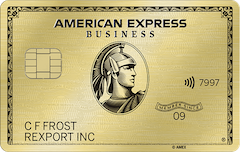
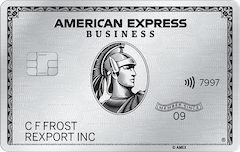
- Up to 55 days to pay for purchases3 with the American Express® Platinum Business Card and the American Express® Business Gold Plus Card.
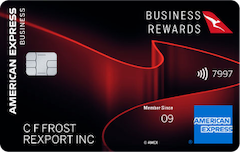
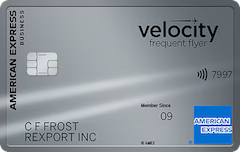
- Up to 51 days to pay for purchases3 with the American Express® Qantas Business Rewards Card and the American Express® Velocity Business Card.
|
Choosing the right Business Card for your Business cash flow needs
There is no single cash flow solution for every business. The right approach depends on factors such as revenue patterns, customer payment cycles, supplier obligations and future cash flow forecasts.
Amex Business Cards are designed to help business owners with their cash flow planning and spending visibility. They also have additional benefits and rewards so you can maximise the value of your Card:
If you are considering a Business Card or payment option, always review the PDS, Terms & Conditions, eligibility criteria and fees applicable to understand what is appropriate for your Business.
|

Choosing the right Business Card for your Business cash flow needs
There is no single cash flow solution for every business. The right approach depends on factors such as revenue patterns, customer payment cycles, supplier obligations and future cash flow forecasts.
Amex Business Cards are designed to help business owners with their cash flow planning and spending visibility. They also have additional benefits and rewards so you can maximise the value of your Card:
If you are considering a Business Card or payment option, always review the PDS, Terms & Conditions, eligibility criteria and fees applicable to understand what is appropriate for your Business. |
The American Express® Business Gold Plus Card
The American Express® Platinum Business Card
The American Express® Qantas Business Rewards Card
The American Express® Velocity Business Card
FAQs
Cash flow management is the process of tracking, monitoring and managing money coming in and out of a business. Effective cash flow management can help businesses meet financial obligations and plan for future costs.
No. Profit shows whether your business earns more than it spends over a period. Cash flow shows the actual movement of money in and out of the business. A business can be profitable but still have cash flow issues if money is not available when expenses need to be paid.
Cash flow management is important because it helps businesses understand whether they have enough available cash to cover day-to-day expenses, pay suppliers, meet payroll obligations and invest in future growth.
Effective cash flow management can also help businesses improve cash flow planning and be better prepared to manage unexpected expenses, respond to changing market conditions and maintain a positive cash flow position over time.
Common causes of cash flow problems typically include late customer payments, unexpected expenses, seasonal changes in sales, high stock levels, short supplier payment terms and limited visibility of future income and costs.
Small businesses may be able to improve cash flow by reviewing cash flow statements, sending invoices promptly, following up on late payments, monitoring inventory, reviewing supplier terms and planning ahead for larger costs.
A Business Credit Card may also help some businesses manage spending, track expenses and access payment flexibility features - depending on the Card - to support cash flow.
Working capital management is the process of managing short-term assets and liabilities to support day-to-day operations and maintain sufficient liquidity.
1. Flexible Spending Power. Unless we tell you otherwise, your American Express Charge Card comes with flexible spending power, also known as no pre-set spending limit. This means that the amount you can spend is dynamic and can adapt based on your transaction patterns, your Business’ credit rating, and other factors. The way you use your Card can help your spending power grow, particularly in the first few months. To help maximise your spending power, make regular transactions and don’t miss any payments.
2. Flexible Payment Option. You will be charged interest if you do not pay your Closing Balance in full by the due date each month. Please refer to your monthly statements for the current Interest Rate and PDS for number of interest-free days. Eligibility criteria apply. Please refer to the full Flexible Payment Option Terms and Conditions.
3. Extend your cash flow by up to 55 days or by up to 51 days. Depending on your method of payment, when you make a purchase, when your statement is issued and whether or not you are carrying forward a balance on your account from your previous statement period. If you pay by direct debit, your payment will be processed 10 days after your statement is issued.
4. Accounting Software Integration. Xero connection: Eligible Card Members can connect their American Express Card issued by American Express Australia via secure API with Xero. User must be a Xero subscriber, have an American Express Online Account, and the Card must be active and in good standing.
QuickBooks Online connection: Eligible Card Members can connect their American Express Card issued by American Express Australia via secure API with QuickBooks Online or QuickBooks Self Employed. User must be a Quick Books subscriber, have an American Express Online Account, and the Card must be active and in good standing.
MYOB Integration: MYOB bank feed is available to American Express Cards issued by American Express Australia Limited with the exception of American Express Corporate Cards. The Card must be active at the time of enrolment.
5. Employee Cards. Employee Card Members must be over 18 years of age. The Business and the Primary Card Member are jointly and severally liable for all Employee Card spending. Each employee is entitled to only one (1) Employee Card.
6. Cover Charges with Points. Cover Charges with Points. For each successful transaction using Cover Charges with Points, points will be debited from your Membership Rewards account and a credit placed on your Card in line with the points chosen to be used for the Eligible Charge. A minimum of 1,000 Membership Rewards points is required to cover any eligible transaction with points. Any credit to your Card account cannot exceed the amount of the relevant Eligible Charges. A credit will appear on your statement identified as “Membership Rewards Credit”. Points will be debited immediately and the credit will take up to 3 business days to appear online. Credits processed after the Card account’s statement closing date will appear in the following statement. You are still responsible for payment of the amount due on your Card account by the due date. Any charges covered by points is not redeemable for cash via Credit balance refund. American Express will select and display each eligible charge that can be covered with points (“Eligible Charge”) and the points rate required to cover the Eligible Charge. Each Eligible Charge must: (a) appear within the Online Statement of the Summary of Accounts page; (b) be redeemed within 2 months of the charge appearing on your Card account; (c) not currently or have previously been disputed; and (d) not be a fee. Eligible Charges, including the points rate required to pay for the Eligible Charge, may be changed at any time without notice. Eligible transactions can be covered by points via your online account or American Express mobile app. Covering charges with points is available only to Basic Cardmembers enrolled in the Australian Membership Rewards program and is subject to the full Membership Rewards Terms and Conditions. Authorised agents, authorised account managers, additional Cardmembers and Authorised Additional Cardmembers are not eligible. All Linked Card accounts must be in good standing.
7. Gift Cards. Gift Card or voucher rewards are not redeemable or exchangeable for cash or credit and are valid for a period of minimum 3 years from the date of issue, unless otherwise stated. We are not responsible if any Gift Card is lost, stolen, or destroyed, or the Gift Card is used without your permission. Membership Reward terms and conditions apply. Normal retailer gift card or voucher conditions apply, refer to the gift card or retailer website for details.