



How to track your spending and budget effectively
Looking at individual finances and budgets can sometimes feel challenging and arduous but spend tracking and budget planning are two of the most effective ways to take control of one’s finances and build long-term financial confidence.
When people understand exactly where their money is going, it becomes much easier to manage their budget, reduce unnecessary expenses, avoid overspending and work towards their financial goals.
In this article, we’ll share some examples of how people track their spending and plan their budget effectively.
|
Why budgeting and understanding spending habits matter
Effective budget planning may assist people to:
A key part of budgeting is to track spending. Understanding spending habits can help people get clearer visibility over finances such as seeing how much they earn vs how much they spend and identifying essential vs non-essential expenses.
Budgeting and tracking expenses can also help them align their spending with what matters to them most, whether that’s saving for a home, travelling, planning their wedding or simply working towards having more financial security. |

Why budgeting and understanding spending habits matter
Effective budget planning may assist people to:
A key part of budgeting is to track spending. Understanding spending habits can help people get clearer visibility over finances such as seeing how much they earn vs how much they spend and identifying essential vs non-essential expenses.
Budgeting and tracking expenses can also help them align their spending with what matters to them most, whether that’s saving for a home, travelling, planning their wedding or simply working towards having more financial security. |
What to consider when tracking your spending and creating a budget
Managing finances effectively starts with understanding what is happening with one’s money. A lot of people will already know what their regular income and expenses are. But it may be more difficult to have a clear view of irregular spending, which can change from day to day.
Some people follow the steps below to keep track of their expenses.
1. Reviewing transactions regularly across accounts
People might gather information from all their financial sources, including:
- Bank accounts
- Credit cards
- investment statements
- Receipts, bills and statements
They also aim to review their financial information for at least the last three months to get an accurate picture of their spending habits.
View more helpful tips for staying on top of your Credit Card bill.
2. Categorising expenses
One of the common methods for tracking finances is by categorising expenses. For example, grouping their spending into categories such as:
- Housing (rent or mortgage)
- Utilities
- Groceries
- Transport
- Entertainment
- Subscriptions
For irregular but expected expenses (like holiday or entertainment), some people collect everything from the last 12 months and make estimates for each.
3. Understanding types of expenses
Regular expenses
These are consistent, planned and predictable costs that occur regularly. They typically represent one’s essential spending and are important for day-to-day living. They usually include rent or mortgage, insurance, subscriptions and utility bills.
Irregular expenses
Irregular spending follows no fixed schedule. The time or exact amount of these costs can vary significantly. Some costs can be planned like birthday gifts or holidays while others might be linked to emergencies such as house or car repairs or medical costs.
Tracking both types is essential for accurate financial planning.
4. Monitoring spend and identifying spending patterns
It’s important to note that tracking spending is not a one-time task. Many people choose to review their finances regularly like at the end of each month and make some adjustments as their circumstances change (income changes, short-term pressures, new expenses) or when prices fluctuate. This doesn’t have to be strict, it’s about awareness and control.
Changes in life circumstances can also prompt people to take a fresh look at how they manage their money via a financial reset. It is a way to pause, review current habits and consider whether they still reflect the right priorities.
People might also find it useful to look for trends in their behaviour such as overspending in certain categories or spending more at certain times of the month. Recognising patterns and early signs of overspending can help be proactive rather than reactive and build a strong awareness of money and spending.
5. Creating a realistic budget plan
Some people use their findings to create an actionable budget plan, which can include:
- Setting spending limits for each expense category
- Allocating funds for savings and goals
- Including a buffer for unexpected costs
It can help them stay on top of their financial situation and stay aligned with their financial goals overtime.
Tools and methods to budget and track spending
There are plenty of tools people use to track their spending and build visibility on their finances. There’s no single “best” method, what works depends on your preferences and lifestyle.

Using spreadsheets or notes
Methods such as keeping notes on one’s phone or using a basic spreadsheet can be an easy way to start tracking spending. These tools allow one to record purchases as they happen, organise them into categories and spot patterns over time.
They don’t require any special software, and because you control the setup, you can tailor them to suit your own habits and financial goals.

Using budgeting apps and expense trackers
Keeping personal finances current and accurate may seem like a daunting task, but commitment and diligence are both necessary elements of a financial budget that works.
Thankfully, there are a number of expense-tracking tools and budgeting apps designed specifically to help users monitor their spending. These tools can also simplify budgeting by:
- Automatically categorising expenses
- Providing real-time insights
- Helping users stick to their budget
Some budgeting apps also offer additional features to help save money, such as reducing bills or providing investment guidance.
For people who are looking for a more structured way to start, the Australian Government’s Moneysmart budget planner is a free tool to manually map your income and expenses to see where your money goes each month.
Using spreadsheets or notes
Methods such as keeping notes on one’s phone or using a basic spreadsheet can be an easy way to start tracking spending. These tools allow one to record purchases as they happen, organise them into categories and spot patterns over time.
They don’t require any special software, and because you control the setup, you can tailor them to suit your own habits and financial goals.
Using budgeting apps and expense trackers
Keeping personal finances current and accurate may seem like a daunting task, but commitment and diligence are both necessary elements of a financial budget that works.
Thankfully, there are a number of expense-tracking tools and budgeting apps designed specifically to help users monitor their spending. These tools can also simplify budgeting by:
- Automatically categorising expenses
- Providing real-time insights
- Helping users stick to their budget
Some budgeting apps also offer additional features to help save money, such as reducing bills or providing investment guidance.
For people who are looking for a more structured way to start, the Australian Government’s Moneysmart budget planner is a free tool to manually map your income and expenses to see where your money goes each month.

What to look for when reviewing purchases
When reviewing purchases, it’s important to ensure that every transaction is accurate:
- Date: Does the date look correct? Does it match when you made that purchase?
- Cost: Is the amount you spent for that purchase what you’re expecting?
- Store or service: Is the vendor recognisable to you?
- Category: Is the purchase categorised correctly?
- Subscriptions: Are there unused services or forgotten subscriptions no longer needed?
Keeping financial information organised and having everything in one place helps review budget easily, track changes over time and make faster financial decisions

Common budgeting challenges and how to overcome them
- Unexpected expenses -> some people include a buffer or emergency fund in their budget plan.
- Overspending in certain categories -> spending tracking to identify and adjust problem areas can help.
- Inconsistent budgeting habits -> some people set a regular schedule to review their budget and spending.
What to look for when reviewing purchases
When reviewing purchases, it’s important to ensure that every transaction is accurate:
- Date: Does the date look correct? Does it match when you made that purchase?
- Cost: Is the amount you spent for that purchase what you’re expecting?
- Store or service: Is the vendor recognisable to you?
- Category: Is the purchase categorised correctly?
- Subscriptions: Are there unused services or forgotten subscriptions no longer needed?
Keeping financial information organised and having everything in one place helps review budget easily, track changes over time and make faster financial decisions
Common budgeting challenges and how to overcome them
- Unexpected expenses -> some people include a buffer or emergency fund in their budget plan.
- Overspending in certain categories -> spending tracking to identify and adjust problem areas can help.
- Inconsistent budgeting habits -> some people set a regular schedule to review their budget and spending.
Tools and methods to budget and track spending
There are plenty of tools people use to track their spending and build visibility on their finances. There’s no single “best” method, what works depends on your preferences and lifestyle.
Using spreadsheets or notes
Methods such as keeping notes on one’s phone or using a basic spreadsheet can be an easy way to start tracking spending. These tools allow one to record purchases as they happen, organise them into categories and spot patterns over time.
They don’t require any special software, and because you control the setup, you can tailor them to suit your own habits and financial goals.
Using budgeting apps and expense trackers
Keeping personal finances current and accurate may seem like a daunting task, but commitment and diligence are both necessary elements of a financial budget that works.
Thankfully, there are a number of expense-tracking tools and budgeting apps designed specifically to help users monitor their spending. These tools can also simplify budgeting by:
- Automatically categorising expenses
- Providing real-time insights
- Helping users stick to their budget
Some budgeting apps also offer additional features to help save money, such as reducing bills or providing investment guidance.
For people who are looking for a more structured way to start, the Australian Government’s Moneysmart budget planner is a free tool to manually map your income and expenses to see where your money goes each month.
What to look for when reviewing purchases
When reviewing purchases, it’s important to ensure that every transaction is accurate:
- Date: Does the date look correct? Does it match when you made that purchase?
- Cost: Is the amount you spent for that purchase what you’re expecting?
- Store or service: Is the vendor recognisable to you?
- Category: Is the purchase categorised correctly?
- Subscriptions: Are there unused services or forgotten subscriptions no longer needed?
Keeping financial information organised and having everything in one place helps review budget easily, track changes over time and make faster financial decisions
Common budgeting challenges and how to overcome them
- Unexpected expenses -> some people include a buffer or emergency fund in their budget plan.
- Overspending in certain categories -> spending tracking to identify and adjust problem areas can help.
- Inconsistent budgeting habits -> some people set a regular schedule to review their budget and spending.
Using spreadsheets or notes
Methods such as keeping notes on one’s phone or using a basic spreadsheet can be an easy way to start tracking spending. These tools allow one to record purchases as they happen, organise them into categories and spot patterns over time.
They don’t require any special software, and because you control the setup, you can tailor them to suit your own habits and financial goals.
Using budgeting apps and expense trackers
Keeping personal finances current and accurate may seem like a daunting task, but commitment and diligence are both necessary elements of a financial budget that works.
Thankfully, there are a number of expense-tracking tools and budgeting apps designed specifically to help users monitor their spending. These tools can also simplify budgeting by:
- Automatically categorising expenses
- Providing real-time insights
- Helping users stick to their budget
Some budgeting apps also offer additional features to help save money, such as reducing bills or providing investment guidance.
For people who are looking for a more structured way to start, the Australian Government’s Moneysmart budget planner is a free tool to manually map your income and expenses to see where your money goes each month.
What to look for when reviewing purchases
When reviewing purchases, it’s important to ensure that every transaction is accurate:
- Date: Does the date look correct? Does it match when you made that purchase?
- Cost: Is the amount you spent for that purchase what you’re expecting?
- Store or service: Is the vendor recognisable to you?
- Category: Is the purchase categorised correctly?
- Subscriptions: Are there unused services or forgotten subscriptions no longer needed?
Keeping financial information organised and having everything in one place helps review budget easily, track changes over time and make faster financial decisions
Common budgeting challenges and how to overcome them
- Unexpected expenses -> some people include a buffer or emergency fund in their budget plan.
- Overspending in certain categories -> spending tracking to identify and adjust problem areas can help.
- Inconsistent budgeting habits -> some people set a regular schedule to review their budget and spending.
How American Express® can help budget and track spending
Reviewing transactions regularly across accounts
Use the Amex App® to view transactions, set alerts and track spend
The Amex App lets you manage your Account from your phone1. Use it to view transactions and statements, pay bills and monitor Card activity to make tracking your spending easier.
You can also enable real-time payment alerts so you’re notified whenever a transaction is made, so you’re reminded of spending as it happens.
Use Additional Cards to help organise household expenses
As an American Express Card Member, you can share some of the benefits of your Card with family members by adding Additional Cards linked to your Amex account.
You can add up to four Additional Cards to your American Express Account2 and have complete visibility of every transaction made on the Additional Cards, making it easy to track spending.
Use payment flexibility solutions to help manage payments
American Express has a range of payment flexibility options available on eligible Credit Cards to help you better manage how and when you pay off your spending.
- Pay in instalments - Plan It® lets you split larger costs into smaller monthly payments3. You can choose to pay off a specific eligible purchase, or a portion of your balance, in equal monthly instalments. (A fixed monthly fee applies).
- Enjoy interest-free periods - Interest-free period is the time between making a purchase and when interest is applied to your purchase. This can be up to 25 days following the end of your statement period, depending on your Card4.
Learn more about Amex payment flexibility and how it can fit your lifestyle.
FAQs
It depends on your lifestyle but checking weekly or monthly is usually enough to stay on top of your finances.
The best method is one you’ll stick to, whether that’s a spreadsheet, a budgeting and expense tracking app or digital tool, or reviewing your bank transactions regularly.
If you don’t recognise a transaction, you can raise a billing inquiry through your online account.
Keep in mind that there are some instances in which a transaction will appear under a trading name that’s different to the retailer’s name where you made your purchase. For example:
- A clothing store that is part of a wider retail chain
- A restaurant that is attached to a hotel
- A company that uses their central billing office
Some people start by tracking expenses, categorising them and then setting realistic spending limits based on their income.
You can also find answers to Amex payments, transactions and billings related questions on the Amex Help Centre.
Choose the Card that best suits you
Travel
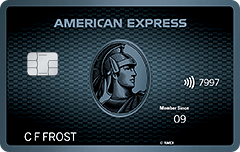
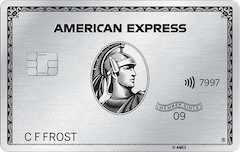
Premium
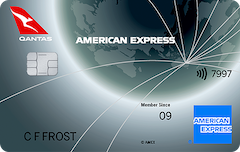
Qantas Frequent Flyer
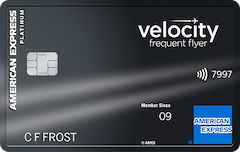
Velocity Frequent Flyer
Rewards
1. The Amex App. The Amex App is available to download for eligible Card Accounts in Australia. To use the App, you must be registered for Online Services. Apple, the Apple logo, Touch ID, Face ID and iPhone are trademarks of Apple Inc., registered in the U.S. and other countries. Android and Google Play are trademarks of Google Inc. The Android robot is reproduced or modified from work created and shared by Google and used according to terms described in the Creative Commons 3.0 Attribution License.
2. Additional Card Members. Additional Card Members must be 16 years of age or over. The Primary Card Member will be liable to pay for all transactions made by Additional Card Members. Earning of points is subject to the terms and conditions of the Rewards Program the Primary Card Member is actively enrolled. All points earned on Additional Card Member spend will go to the Primary Card Members Account. The Primary Card Member cannot add an Additional Card under their own name or email address and cannot add an Additional card under the name or email address of a previously approved Additional Card application on the Account.
3. Plan It® Instalments. You can create an Instalment Plan as long as your account is in good standing. We may withdraw this offer, prevent you from creating any new Instalment Plans or cancel any of your existing Instalment Plan(s) at any time if your Card Account is overdue, or if you do not comply with your Card Conditions.
The minimum Plan amount is AUD$100. We may also limit the amount that can be transferred to an Instalment Plan.
You will be charged a Monthly Plan Fee for each Instalment Plan created (unless a promotional plan is available). This fee will be charged each month your Instalment Plan is active and will be disclosed to you at the time of creating your Instalment Plan.
Each Instalment Plan will begin from the date it is successfully created, as communicated to you in your Online Account.
Payment of your first Monthly Instalment will be due in your next payment cycle.
You may request to cancel your Instalment Plan(s) at any time through your Online Account or the Amex App. Any billed Monthly Plan Fees will remain payable, but no further Monthly Plan Fees will be billed after cancellation is effective. As cancellation can take 24-48 hours to process (“Processing Time”), you may be charged a further monthly plan fee after requesting cancellation if the Processing Time occurs on your payment date. View the full Plan It® Instalment Terms and Conditions here.
4. Interest-free periods. Depending on your method of payment, when you make a purchase, when your statement is issued and whether or not you are carrying forward a balance on your account from your previous statement period. If you pay by direct debit, your payment will be processed 10 days after your statement is issued.