


How Do Credit Cards Work?
7 Min Read | Last updated: July 10, 2026

This article contains general information and is not intended to provide information that is specific to American Express products and services. Similar products and services offered by different companies will have different features and you should always read about product details before acquiring any financial product.
Learning how credit cards work can help you make an informed decision when you apply for one. It can also help you use them more responsibly.
At-A-Glance
- When used responsibly, credit cards can be a convenient payment method.
- Behind the scenes, credit cards simplify spending through a cooperative system of intricate technology, card member agreements, terms, and conditions.
- Understanding how credit cards work can help you reap rewards – and give you insight into how to use them more effectively.
Credit cards offer convenience to simplify your spending. You can make transactions in seconds, with no need to count cash, make change, or even have the funds on hand.
That said, if you take a closer look, you’ll find that the way a credit card works is fairly complex. From the terms and conditions of your account to the technology that makes a credit card purchase possible, understanding how credit cards work can help you use them more responsibly.
The Basics of How Credit Cards Work
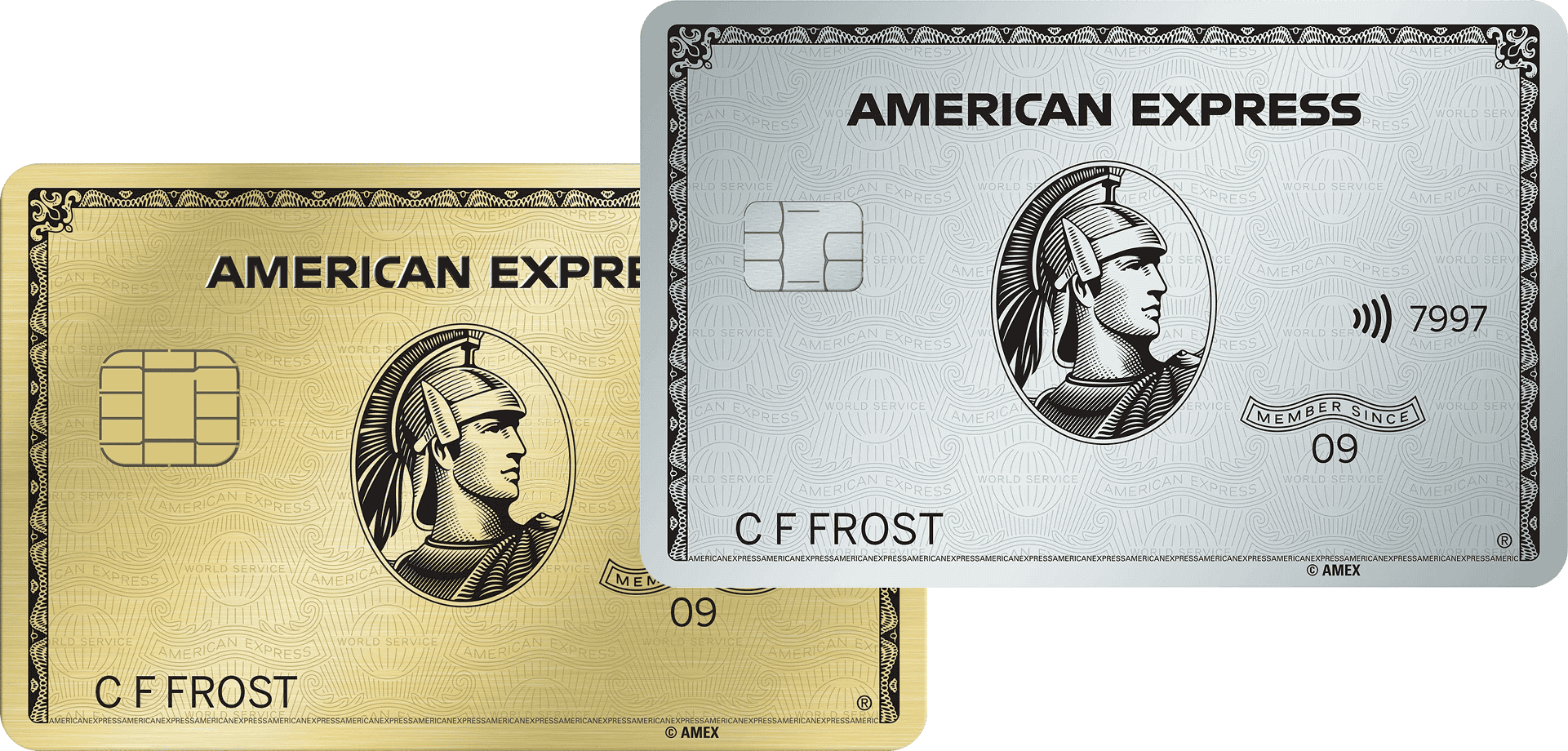
Credit cards are small plastic or metal cards encoded with personal information that’s linked to a line of credit provided by your card issuer. They essentially work as short-term reusable loans that allow you to pay for almost anything as long as you keep within your credit limit and repay your card issuer each month.
Swiping your credit card might be as easy as waving a magic wand, but there’s a lot that goes on behind the scenes. Here’s the gist of how all credit cards work.
Each time you use your credit card to pay for something, your card issuer pays the merchant on your behalf. But you’re not off the hook: your card issuer will then send you a monthly statement or bill that lists all purchases made in your billing cycle, the sum of which is called your “billing statement” or “statement balance.”
You’ll have until your statement due date to make at least a minimum payment, and any remaining balance will accrue interest. That interest charge, calculated based on one or more of your card’s annual percentage rates (APRs), is essentially the cost you pay for financing, or in some cases, for carrying a balance.1
How Different Types of Credit Cards Work
There are many types of credit cards, each with its own pros and cons. Rewards credit cards, for example, offer financial incentives that you can earn as cash back or as a statement credit, depending on your card agreement. Rewards cards may offer a certain number of points per dollar spent in certain categories, like dining or air travel. If your card allows you to earn miles by spending on air travel, you may have the opportunity to redeem those miles on future flights.
Not all credit cards are based on rewards. Some cards offer no foreign transaction fees, while others may specialize in offering low APRs. Other cards might be designed for students or those with little to no credit history, or for business owners who want to make the most of their business expenses. How each type of credit card works depends on the card issuer, the card itself, and the terms and conditions, so be sure to do your research before choosing a credit card.

How Your Credit Card’s Interest Works
Your card’s interest rate and fees, or APR, is a primary reason why your card issuer can offer you your credit card. If you carry a balance from month to month, your card may charge interest on your balance.
Your credit card can have a variety of different APRs depending on how you use it. For example, you may have one APR for purchases, and another for taking out cash.2 Additionally, an APR may be subject to change: some cards may have a penalty APR if you miss payments or violate your agreement, which could replace your typical APR.3
Many card issuers use a daily periodic rate or daily balance method to calculate your interest. With the daily balance method, you may carry a balance from month to month, and the issuer takes the average of all your daily balances for that billing cycle and multiplies it by your “daily periodic rate,” which is simply your APR divided by 365, or in some cases, 360, depending on your credit card issuer. Then, they multiply that result by the number of days in the billing cycle to get the amount of interest you owe.4
The Technology Behind How Credit Cards Work
Now let’s go a little deeper. Each credit card is encoded with personal information that’s connected to your credit card account. Some of that information — like your name, card number, expiration date, and signature — is visible to the naked eye. But there’s more to your card’s features than what you see at face value. Let’s take a closer look:
- Magnetic strip
Your card’s magnetic strip is made of magnetic particles that allow a magstripe reader to understand the information embedded within the card. - EMV Chip
A credit card’s chip is essentially an updated, more secure alternative to the magstripe. For each transaction, the chip and card reader generate an encrypted code that’s unique to that transaction. - Card number
Credit card numbers identify the card issuer and payment network. All credit card numbers also end with a mathematically derived “check digit” that’s used to assess the card’s authenticity, especially when typing in your card number online. - Card verification value
Your CVV adds another layer of security. Each card’s CVV is unique and is required to authorize online and other “card-not-present” transactions.
Every time you make a purchase with your credit card, either your magstripe, EMV chip, or card number and CID are used to authorize the transaction. To break it down as simply as possible, when you use your card, the following steps take place:
- The merchant sends a request for payment authorization to their payment processor.
- The payment processor sends the transaction to the card association before it reaches the issuing bank.
- Authorization requests are made to the bank.
- The bank either approves or declines the transaction.
- The bank sends the approval status back.
Meanwhile, your card issuer deducts the purchase from your credit limit and adds the transaction to your next monthly statement.
Frequently Asked Questions
As you accrue a credit card balance, you make monthly payments. To avoid late penalties, you must make at least a minimum payment that’s often a percentage of your balance in addition to fees and interest. To minimize interest charges, you may make a payment that covers your entire balance before the end of your monthly billing cycle.
Using a credit card responsibly may help boost your credit score. When you make timely payments, you demonstrate the ability to repay debt, which may help your credit. Plus, you add another type of credit to your credit report, and being able to manage multiple forms of debt may increase your creditworthiness.
Your minimum payment on a $3,000 credit card balance depends on your card issuer’s base percentage for minimum payments. If your card has a 2% base rate and your balance is $3,000, your minimum payment would be around $60, excluding any late penalties or other potential fees.
The Takeaway
When you use a credit card to make a purchase, it can feel like magic: you’re not using your own money, the transaction can go through immediately, and you’re able to walk out of a store with new merchandise. However, there’s a lot that goes into that brief transaction. By understanding your credit card’s unique terms and considering its special identifiers, you may be able to use your card more responsibly. If you have specific questions about your card’s repayment policies, reach out to your card issuer for clarification.
1 “How Is a Credit Card Minimum Payment Calculated?,” Experian
2 “My bill shows different APRs and shows how much of the balance is subject to each interest rate. I cannot figure out how this is calculated. How does that work?,” Consumer Financial Protection Bureau
3 “What is an APR Credit Card?,” Equifax
4 “How Does Credit Card Interest Work?,” Experian


Megan Doyle is a business technology writer and researcher whose work focuses on financial services and cross-cultural diversity and inclusion.
All Credit Intel content is written by freelance authors and commissioned and paid for by American Express.